Toilet Renovation Package SF: What You Really Get, What It Costs, and What to Upgrade in 2026
In San Francisco, a toilet "swap" rarely stays simple. Many bathrooms are tight, the plumbing can be decades old, and building rules can be strict. Add high labor costs and limited access (stairs, parking, HOA rules), and even a small job can turn into a headache.
A toilet renovation package SF is designed to prevent that. It usually means more than dropping in a new toilet. A real package bundles planning, basic plumbing checks, a code-aware install, and the finishing details that make the bathroom feel clean and complete.
Most toilet package jobs take a few hours to a full day. If repairs pop up, it can stretch longer. Either way, a clear package scope helps control cost, reduce surprises, and keep disruption low.
What's included in a toilet renovation package SF (and what's usually extra)
A good package reads like a simple story: protect the home, remove the old toilet, fix what must be fixed, install the new one correctly, then test and clean up. When quotes feel vague, that's when problems show up later.
Most toilet renovation packages in SF include these line items:
- Removal and haul-away: The old toilet is disconnected, drained, removed, and disposed of properly.
- Flange and shutoff valve inspection: The contractor checks the toilet flange (the anchor and seal point) and the angle stop shutoff.
- New seal and bolts: A wax ring or modern gasket, plus new closet bolts, so the base seals and stays tight.
- New supply line: A fresh braided connector line to reduce leak risk.
- Set, level, and secure: The toilet gets leveled, tightened, and stabilized so it doesn't rock.
- Caulk and finishing: Clean caulk line at the base (when appropriate) for a finished look and easier cleaning.
- Test flushes and leak check: Multiple flush tests, tank fill check, and base inspection.
- Cleanup and basic workmanship warranty: The work area is left clean, and labor is typically covered for a stated period.
Now, here's what often changes the price because it adds time, materials, and trades:
- Subfloor damage, soft spots, or rot under the toilet
- Old cast iron issues (cracked bends, corrosion, poor fit)
- Toilet relocation (changing the rough-in or moving the drain)
- New water line runs or major shutoff replacement
- Electrical work for smart toilets or bidet seats (outlets, GFCI)
- Drywall, paint, or tile repair after removal
- Vent fan upgrades triggered by a broader bathroom scope
- Permit fees and inspection coordination (when required)
Before you compare quotes, use this quick checklist to keep scope clear:
- Does the quote include haul-away and protection of floors?
- Will they inspect the flange and show you photos if it's damaged?
- Are new bolts, seal, and supply line included?
- Does it include leveling and stabilizing (no wobble)?
- Is testing listed (flush, fill, leak check)?
- Are common extras priced as options, not surprises?
A toilet can look perfect and still leak under the tile. The package should protect what you can't see.
The hidden plumbing parts that make or break the job
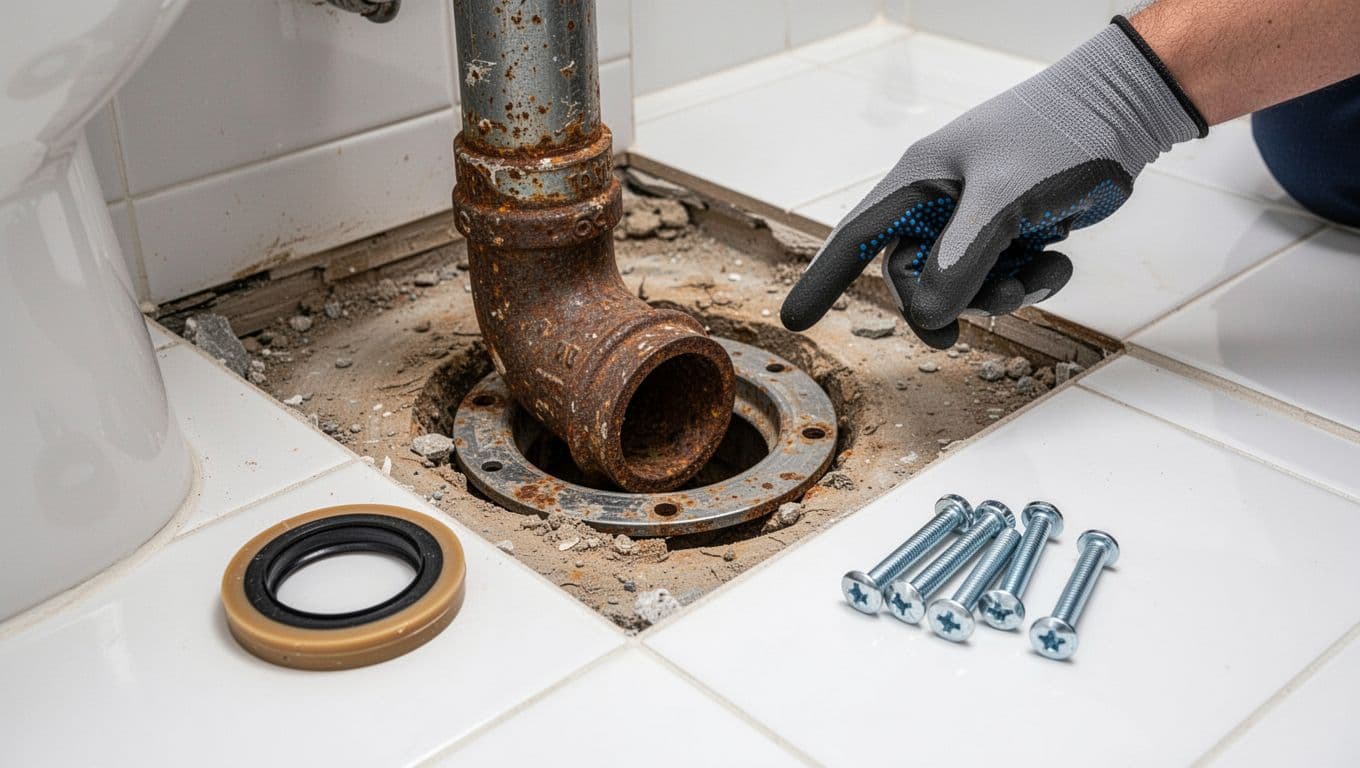
Close-up of a flange inspection that can prevent hidden leaks and sewer gas issues, created with AI.
Most toilet failures don't start in the tank. They start where the toilet meets the drain.
In older SF buildings, flange height is a common issue. If the flange sits too low after new tile, the seal may not compress right. If it sits too high, the toilet can rock. Either way, you might get small leaks that soak the subfloor over time.
A pro also checks for:
- Leaks under tile: Stains, soft grout, or a faint smell can point to slow seepage.
- Wobble problems: A rocking toilet can crack the seal and loosen bolts.
- Slow drains: Sometimes it's not the toilet at all, it's a partial blockage downstream.
- Sewer gas smells: A failed seal or damaged flange can let odor escape.
Quick installs often skip these checks. That's why a "cheap" install can end up costing more. When the flange, drain line, or shutoff valve gets ignored, the bathroom pays the price later with water damage or repeated service calls.
Finish options that change the look fast
A toilet renovation package doesn't have to stop at the base. Small add-ons can make the bathroom feel newer without turning it into a full remodel.
Common finish upgrades that work well in SF bathrooms include:
- Slow-close seat and lid: Quieter, safer for kids, less slamming wear.
- Updated angle stop (shutoff valve): Smoother shutoff, less chance of seepage at the wall.
- Matching braided supply line: Clean look and better reliability than old plastic lines.
- Base trim touch-up: Makes the toilet look "set in," not dropped on top.
- Toilet paper holder refresh: Simple change that helps the whole wall feel updated.
- Basic wall touch-ups: Patch and paint around the old footprint, especially in tight water closets.
Think of these as the difference between putting on new shoes and finishing the outfit. The toilet is the big piece, but the small details are what you notice every day.
How much a toilet renovation package costs in San Francisco in 2026
San Francisco pricing is different than national averages. Labor runs higher, access can be difficult, and older plumbing adds risk. Based on 2026 market context, a toilet-only professional install in SF often lands higher than other cities, especially when you include a compliant low-flow toilet and real site conditions.
For a toilet renovation package SF, a realistic budget range is:
- Roughly $2,000 to $5,000 for a basic install with minor plumbing fixes and finish details
- Higher totals when you add repairs, cast iron work, relocation, permits, or smart features
What drives cost the most?
Toilet type matters, because one-piece, wall-mounted, and smart toilets cost more and can install slower. Access also adds real labor time. Stairs, tight hallways, elevator rules, and parking all affect the day. Building age plays a huge role too, because older shutoffs, flanges, and drain lines can fail when disturbed.
Permits can apply depending on scope. Finally, the biggest variable is repair risk. For older SF plumbing, budgeting a 10 percent to 20 percent contingency is a smart move. If everything is solid, you don't use it. If the flange is broken, you're prepared.
Package tiers that fit most homes, from simple refresh to smart upgrade
Most homes fit into one of these three tiers. Here's a simple way to compare them.
| Package tier | What it usually includes | Best for |
|---|---|---|
| Simple replacement (WaterSense) | Remove and haul-away, flange and shutoff inspection, new seal and supply line, set and level, test and clean | Rentals, quick refresh, tight budgets |
| Comfort upgrade | Everything in simple replacement plus comfort height, elongated bowl, better seat, upgraded shutoff, small finish touch-ups | Families, daily comfort, fewer clogs |
| Smart or bidet package | Install smart toilet or bidet seat, confirm power needs, add GFCI outlet if required, advanced testing | Aging-in-place, hygiene, cold bathrooms |
The takeaway: pick the tier that matches how long you'll stay. A rental may only need reliable WaterSense basics. A long-term home usually benefits from comfort height and better parts. Smart features make sense when the layout and electrical are ready.
Ways to keep costs predictable without cutting corners
The best way to control price is to reduce unknowns before the day of install. That doesn't mean skipping the hard parts. It means clarifying them.
Here are practical steps that keep the scope tight:
- Confirm the rough-in measurement (commonly 12 inches, but not always).
- Choose an in-stock toilet so you don't pay for rush sourcing or delays.
- Schedule during normal hours when possible, because off-hours can cost more.
- Approve a written scope that states what happens if the flange or shutoff fails.
- Request photo documentation of the flange and valve condition before installation.
- Ask for change-order pricing in writing for common repairs.
The lowest quote often leaves out the "extras" that almost always show up in older buildings. A better quote explains what's included and what triggers added cost, so you can make decisions instead of reacting under pressure.
2026 toilet upgrade picks that work well in SF bathrooms
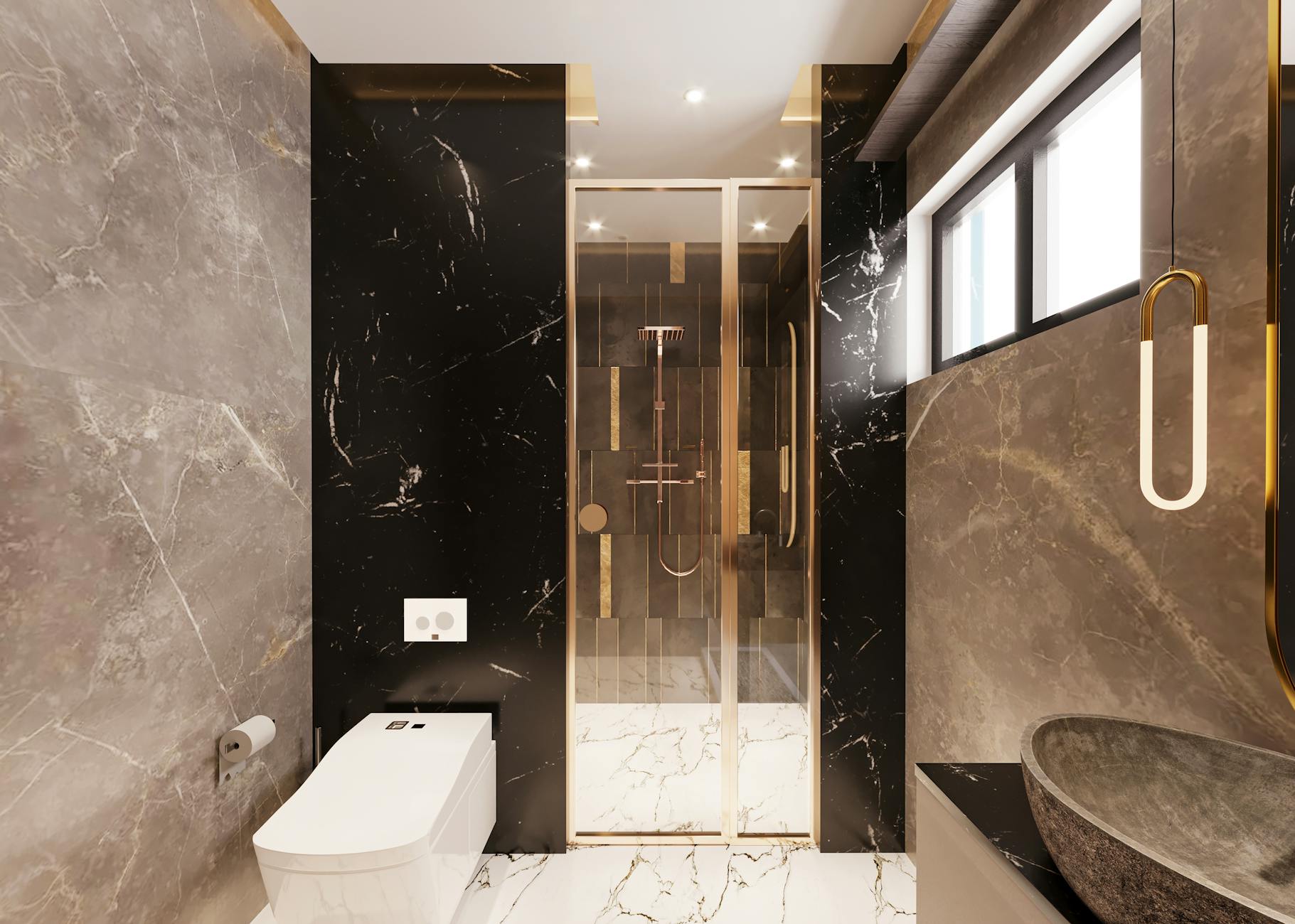
Photo by Rana Matloob Hussain
In 2026, toilet choices in San Francisco lean practical: save water, fit small spaces, and stay easy to clean. California's drought mindset also pushes many homeowners toward WaterSense models and efficient flush performance, not old high-volume designs.
Style trends still matter, but they show up in simple ways near the toilet. Neutral tones, warm natural finishes, and cleaner lines work well in compact bathrooms. One-piece toilets stay popular because they look tidy and wipe down fast.
If you want the "new bathroom" feeling without remodeling the whole room, focus on the toilet zone: the fixture, the valve, the supply line, the wall finish, and a clean base detail.
Water-saving comfort, strong flush, lower bills
WaterSense toilets are built to save water without the weak flush people fear. Many models use about 1.28 gallons per flush (gpf), and some go lower while still clearing the bowl well. That matters in California, where efficiency rules and drought conditions shape product standards.
Modern low-flow designs often feel better than older toilets because they improve bowl wash, trapway shape, and flush action. As a result, you can get:
- Lower water use over time without changing habits
- Cleaner bowls with better rinse patterns
- Fewer clogs compared to older worn-out toilets
A strong package install supports that performance. When the toilet is level, sealed, and vented correctly, it flushes the way it was designed to.
Smart toilets and bidet seats, what they add and what they require
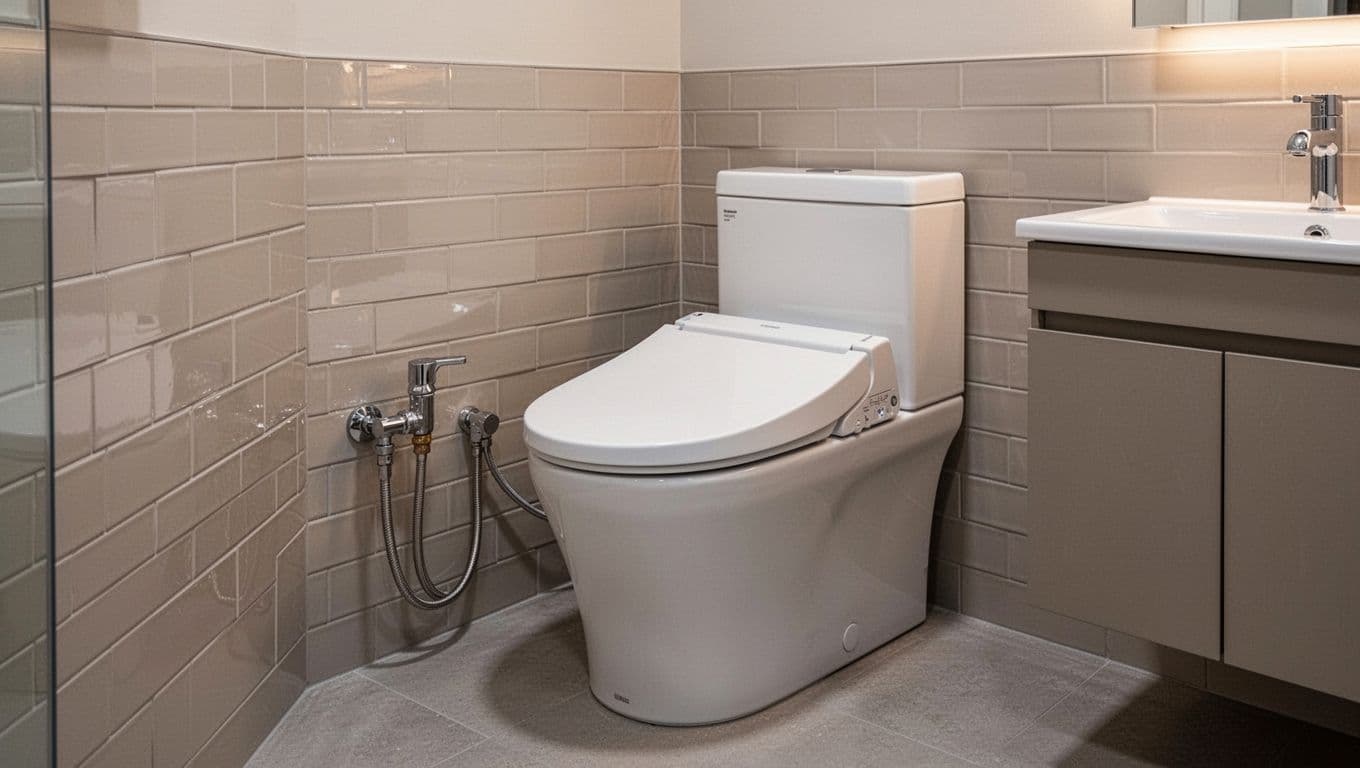
Example of a compact smart bidet toilet setup that fits many SF bathrooms, created with AI.
Smart toilets and bidet seats are no longer rare in SF. People choose them for comfort and hygiene, especially in small bathrooms where every upgrade should earn its space.
Features homeowners notice right away include heated seats, warm wash, adjustable pressure, a night light, auto lid, and built-in deodorizing. Some also include a warm air dryer, which reduces toilet paper use.
Still, smart upgrades have real requirements. Power is the big one. Many setups need a nearby outlet, often a GFCI outlet. In some cases, electrical work may be needed to add a circuit or bring the outlet to the right location. Space matters too, because certain bidet seats extend the toilet footprint.
A simple fit guide helps:
| If your bathroom has… | Smart or bidet is a good fit | It may not be worth it |
|---|---|---|
| Outlet within reach, stable plumbing | Yes, install is usually clean | No, if adding power is costly |
| Tight clearance in front or at the side | Maybe, measure carefully | No, if doors or knees hit |
| You want easier cleaning and comfort | Yes, daily benefit is real | No, if it's a rarely used bath |
Smart toilets shine when the layout supports them. If the room fights the install, start with comfort upgrades first.
Why Choose SFKB PRO for your toilet renovation package in SF
When you live in San Francisco, you want a contractor who respects your home and the building's rules. You also want clear communication, because bathroom work affects daily life fast.
SFKB PRO is the #1 local contractor in San Francisco, known for clean job sites, code-aware work, and straightforward options across budgets. Their approach keeps your toilet renovation package focused on outcomes: a stable install, no leaks, strong flushing, and a finished look that matches your space.
If your "toilet renovation" grows into a wider bathroom upgrade, you can also review their Bathroom Remodeling San Francisco service to plan a bigger scope with the same team.
A clear plan from first visit to final test flush
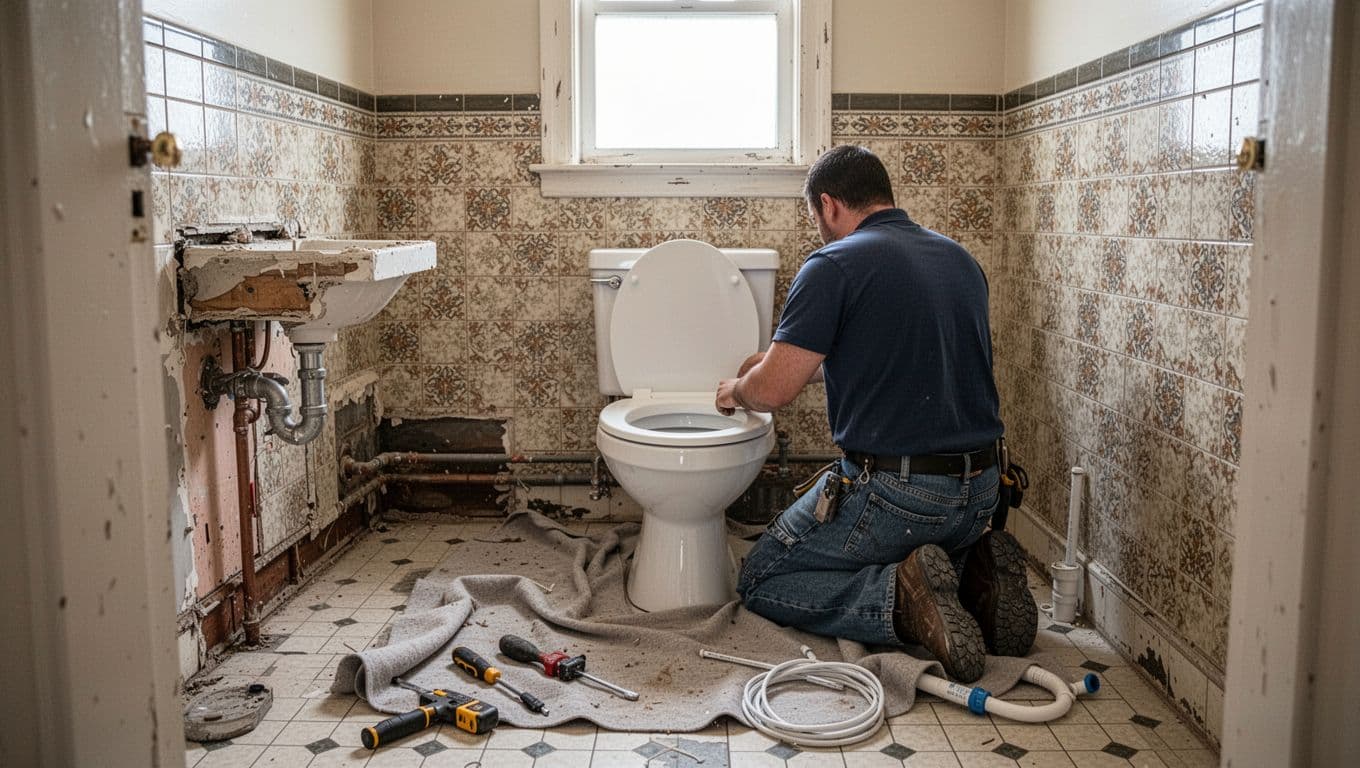
Toilet installation in a compact SF bathroom with floor protection and careful setup, created with AI.
A good toilet package should feel organized, not chaotic. SFKB PRO keeps it simple with a step-by-step plan that protects your home and reduces downtime.
First, they do a site check and confirm measurements, including the rough-in and water line location. Next, they help you choose a toilet that fits your space and goals, including WaterSense and comfort height options. On install day, they protect floors, remove the old toilet, and inspect the flange and shutoff valve before setting the new fixture.
After installation, they seal where appropriate, test flush and fill cycles, check for leaks, and clean the work area. Photo updates can document hidden conditions, especially if the flange or valve needs attention. Finally, a quick walkthrough confirms everything feels solid and works as expected.
Built for SF homes, from older plumbing to tight layouts
San Francisco bathrooms come with constraints that don't show up in generic how-to articles. Older pipes can be fragile. Layouts can be tight enough that a toilet choice matters down to the inch. Multi-unit buildings may limit work hours, require elevator protection, or enforce specific noise windows.
Experience helps because it reduces "trial and error" on site. A contractor who understands SF conditions plans for access, brings the right parts, and sets expectations early. That usually means fewer delays, less mess, and fewer last-minute add-ons.
Just as important, respectful work matters in occupied homes. Toilet work is personal. Clean floors, careful disposal, and clear updates make the process feel manageable.
Conclusion
A toilet renovation package SF should cover removal, inspection, code-aware installation, testing, and cleanup, not just a quick set-and-go. Price changes when older plumbing, subfloor damage, relocation, permits, or smart features enter the picture. In 2026, WaterSense toilets, comfort upgrades, and well-planned bidet options give the best daily value in SF bathrooms.
If you're ready to move forward, request an on-site assessment and ask for a written scope with clear options. That one step keeps your pricing clear and your bathroom problems from multiplying.


Comments
Post a Comment