Bathroom Refacing: A Smarter Way to Refresh Your Bathroom
Tearing out a whole bathroom can feel like using a sledgehammer to hang a picture. If your vanity boxes are still sturdy, bathroom refacing can give the room a fresh look without the cost and chaos of a full remodel.
This approach updates the outside surfaces of your existing vanity and cabinets instead of replacing everything. That means lower cost, faster turnaround, less mess, and less waste. For homeowners who want a custom upgrade without starting from scratch, Dr. Cabinet offers tailored solutions built around what still works, not a one-size-fits-all replacement plan.
What bathroom refacing includes, and when it is the right choice
Refacing is not the same as a full bathroom remodel. You're not moving plumbing, changing the footprint, or gutting the room. Instead, the job focuses on the visible parts of the vanity and cabinetry.
That usually means new doors, new drawer fronts, updated face panels, fresh hardware, and a new finish. In some cases, contractors also repair or refinish vanity surfaces if the top and sink area are still worth saving. The goal is simple, a cleaner, newer look while keeping the existing structure in place.
What gets changed during a bathroom refacing project
Most projects replace or renew the parts you see and touch every day. Common upgrades include:
- Doors and drawer fronts: New profiles instantly change the style.
- Veneers or laminate skins: These cover exposed cabinet frames for a matched finish.
- Paint or stain: Color updates can make an old vanity feel brand-new.
- Hinges and pulls: Small details often make the biggest visual jump.
- Storage upgrades: Soft-close hardware, organizers, and better drawer function add value.
Right now, popular looks include shaker doors, flat slab fronts, floating vanity styles, matte finishes, warm neutrals, and deep greens. Many homeowners also ask for low-VOC materials, especially in smaller bathrooms where air quality matters.
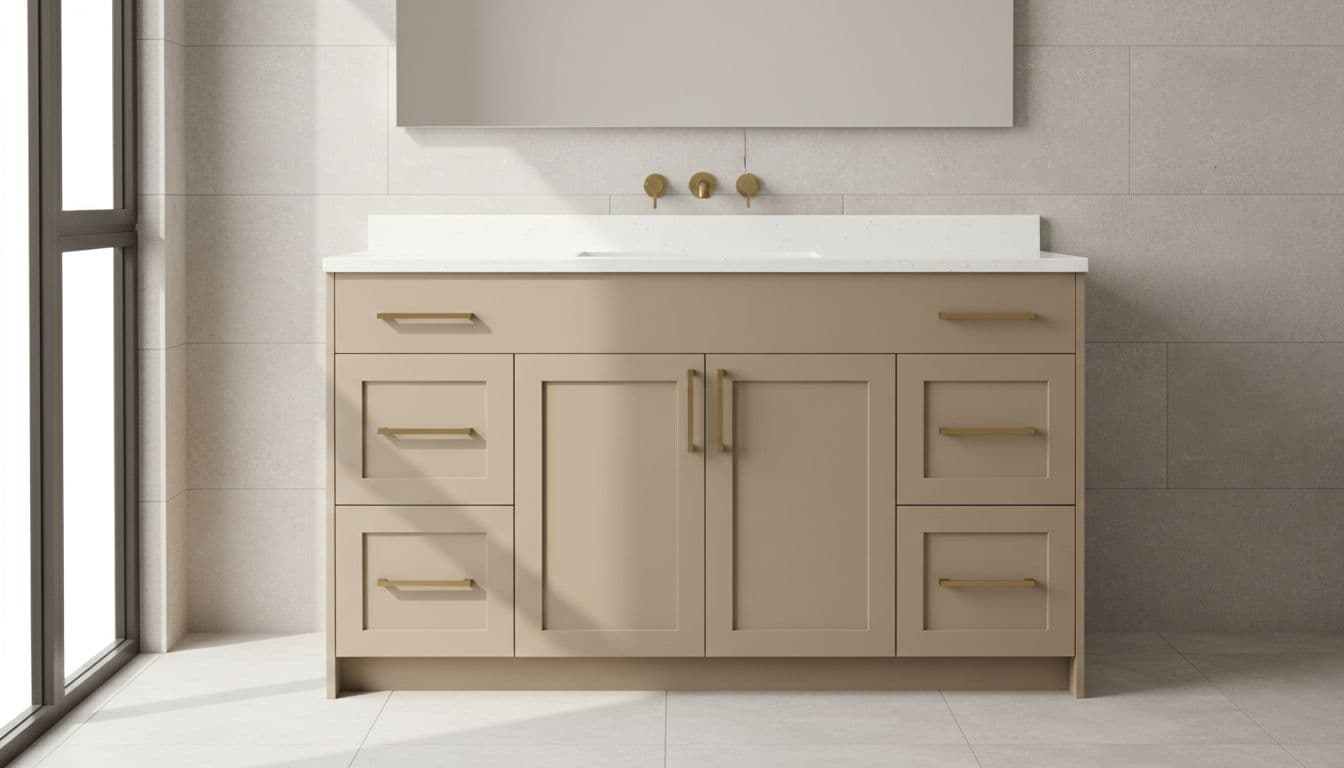
When refacing makes sense, and when a full remodel is better
Refacing works best when the layout already works for you and the cabinet boxes are solid. If you like where the sink sits, the storage is decent, and the vanity feels stable, a surface update can make perfect sense.
On the other hand, refacing won't fix deeper problems. Water damage, mold, swollen particleboard, soft cabinet sides, or major layout issues call for a bigger solution. The same goes for bathrooms that need new plumbing lines, added outlets, or better lighting placement.
If the cabinet boxes are weak or wet, covering them up only hides the issue for a while.
In short, refacing is a style and surface upgrade, not a structural rescue.
How the bathroom refacing process works, from prep to final details
A professional refacing job is usually much faster than people expect. Many bathrooms are finished in about 1 to 3 days, depending on size and scope. Because the work stays focused on the existing vanity, the room doesn't turn into a long-term construction zone.
That speed only helps when the prep is done right. Dr. Cabinet takes a detail-first approach, because fit and finish are what make the result look custom instead of patched together.
The main steps homeowners can expect
The process usually starts with removing the old doors, drawer fronts, and hardware. Next, the exposed cabinet faces are cleaned well, lightly sanded, and checked for wear.
After that, the installer applies veneer or laminate to the visible cabinet frames. Then new doors and drawer fronts go on, followed by hinges, pulls, and final alignment. If needed, minor chips can be repaired before finishing, and moisture-resistant sealers may be added to help surfaces hold up better in a damp room.
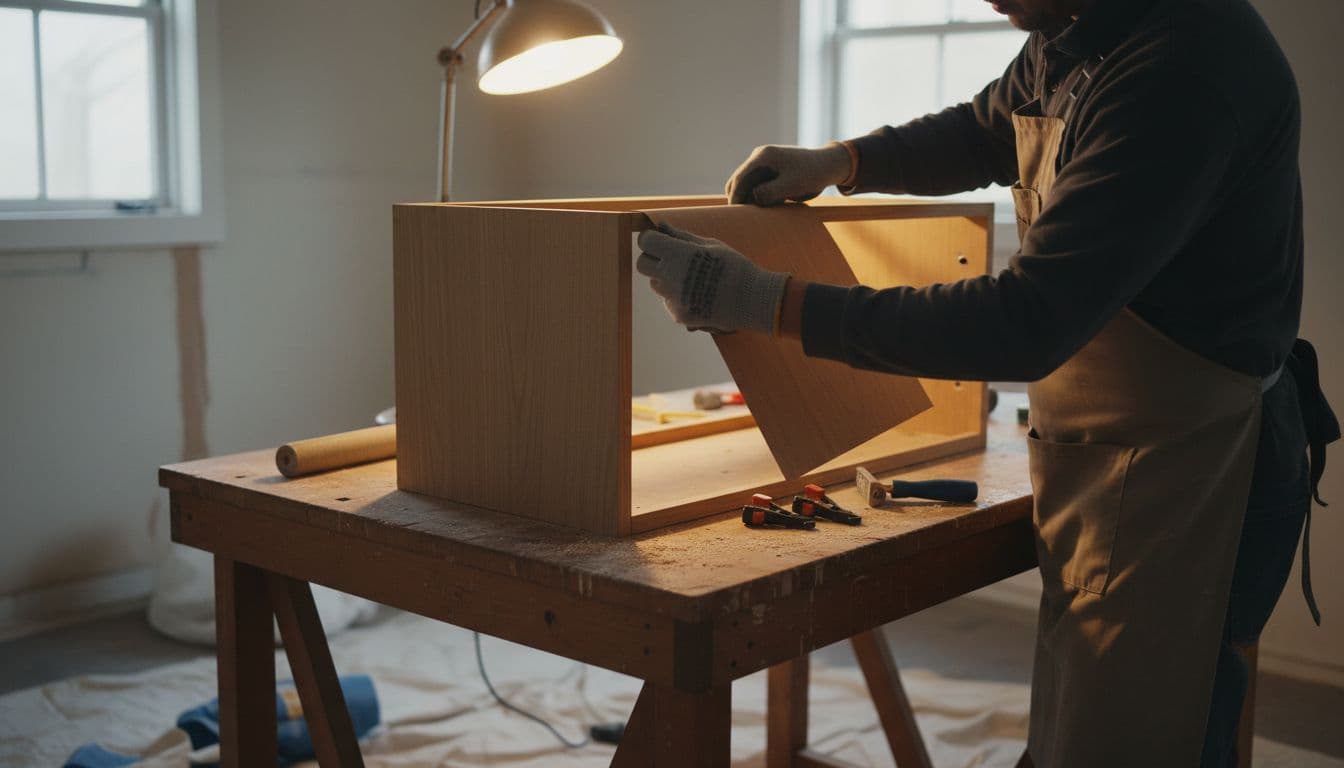
Why prep work matters for a clean, long-lasting finish
Prep is where good work separates itself from cheap work. Moisture checks, accurate measuring, clean surfaces, and the right adhesive all matter. Skip those steps, and problems show up fast.
Bubbling veneer, peeling edges, crooked doors, and uneven gaps are common signs of rushed labor. Bathrooms deal with humidity every day, so materials and installation need to account for that. Dr. Cabinet focuses on restoration work, which means the team looks closely at what can be saved, what needs repair, and how to make the finished vanity hold up over time.
A nice door style can catch your eye. Still, the prep underneath is what keeps the project looking sharp a year later.
Cost, benefits, and how to choose the right bathroom refacing company
For many homeowners, price is the turning point. Refacing usually costs far less than tearing out the room and starting over, especially when the vanity structure is still sound.
Here is a simple side-by-side look at common 2026 price ranges in the US.
| Project type | Typical cost range |
|---|---|
| Small cabinet or vanity refacing | $1,500 to $4,000 |
| Many bathroom vanity refacing jobs | $2,000 to $6,000 |
| Full bathroom remodel | $15,000 to $30,000 or more |
That gap is why refacing can save about 60 to 80 percent compared with a full remodel when the existing setup is worth keeping.
What you gain with refacing, beyond the lower price
The savings matter, but they're not the only win. Refacing usually means less dust, less downtime, and far less material waste. You also keep a familiar layout that already works.
With good materials and normal care, a refaced vanity can often last 5 to 10 years or more. Laminate and thermofoil are easy to clean, while quality wood veneers bring a warmer, furniture-like look.
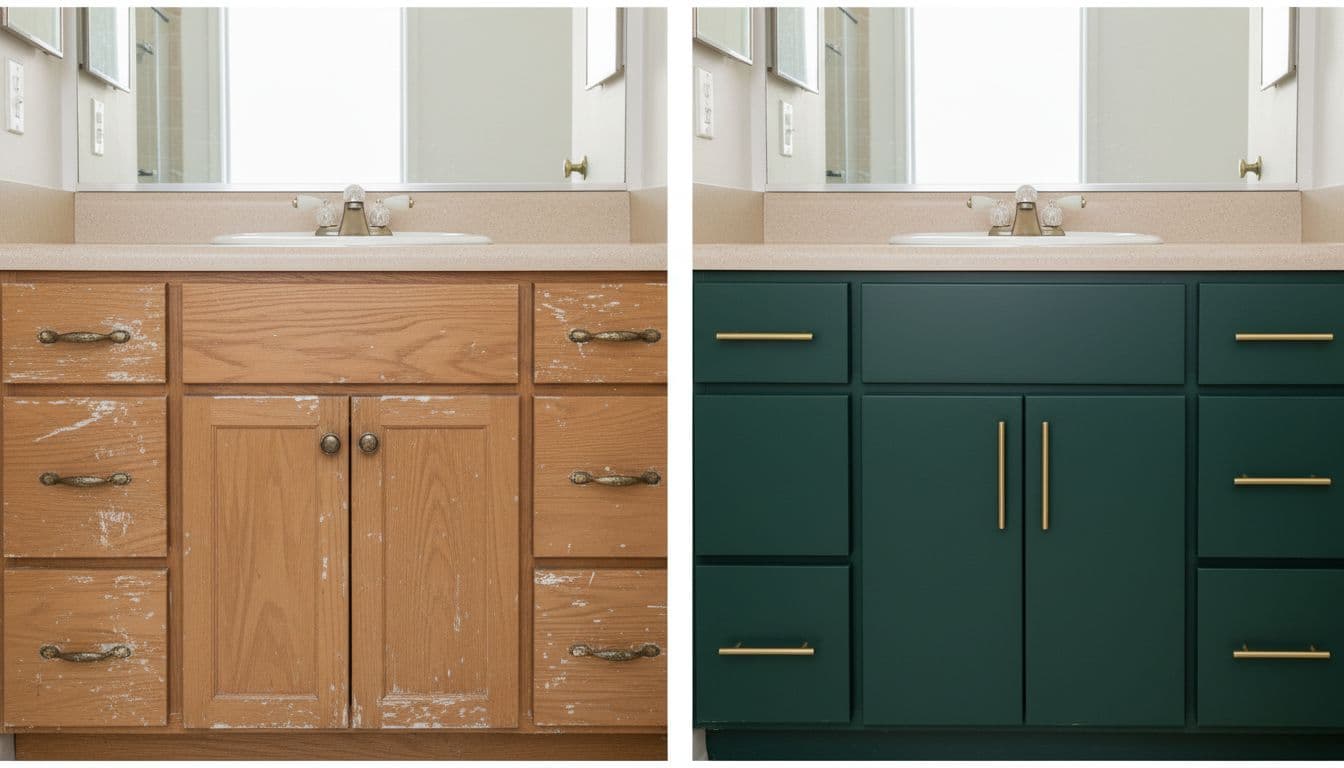
For busy households, that balance is hard to beat. You get a visible upgrade without weeks of noise, dust, and daily disruption.
Questions to ask before hiring a bathroom refacing pro
Before you sign anything, ask for clear answers on a few basics:
- Licenses and insurance: Protects you if something goes wrong.
- Past work and samples: Helps you judge fit, finish, and style options.
- Moisture inspection: A good pro checks for hidden damage first.
- Warranty and timeline: You should know what's covered and how long the job takes.
- Quote details: Ask if hardware, prep, touch-ups, and cleanup are included.
Dr. Cabinet stands out by focusing on restoration over replacement. That means more custom work, better use of sound cabinetry, and a solution shaped to the bathroom you already have.
Bathroom upgrades don't always need a full gut job. Bathroom refacing is often the smarter move when your vanity boxes are solid and your layout still works. You save money, cut the mess, and still get a fresh style that feels current. If you're weighing your options, Dr. Cabinet can help you compare costs, inspect what can be saved, and build a plan that fits your space.


Comments
Post a Comment