Bathroom Refacing: A Smarter Vanity Upgrade
A worn vanity can age the whole room, even when the rest of the bathroom still works well. Bathroom refacing gives that vanity a fresh face without tearing out the cabinet boxes you already have.
Instead of starting from scratch, you update the parts you see every day, like doors, drawer fronts, hardware, and surface skins. That means less cost, less mess, and less time without your bathroom. If the cabinet structure is still solid, the change can feel like swapping a faded jacket for a tailored one. For homeowners who want expert help, Dr. Cabinet is a practical place to start.
What bathroom refacing is, and when it makes the most sense
Refacing changes the visible parts of a vanity while keeping the main cabinet boxes in place. The layout stays the same, so your sink, plumbing, and footprint usually don't move. That makes it a strong fit when your vanity still works, but the look feels dated.
Replacement is different. It removes the old unit and installs a new one. That can make sense if you want a larger vanity, a new sink setup, or a different room layout. Still, if the structure is sound, refacing often gives you the style change you want without opening up a bigger project.
What gets updated during a bathroom refacing project
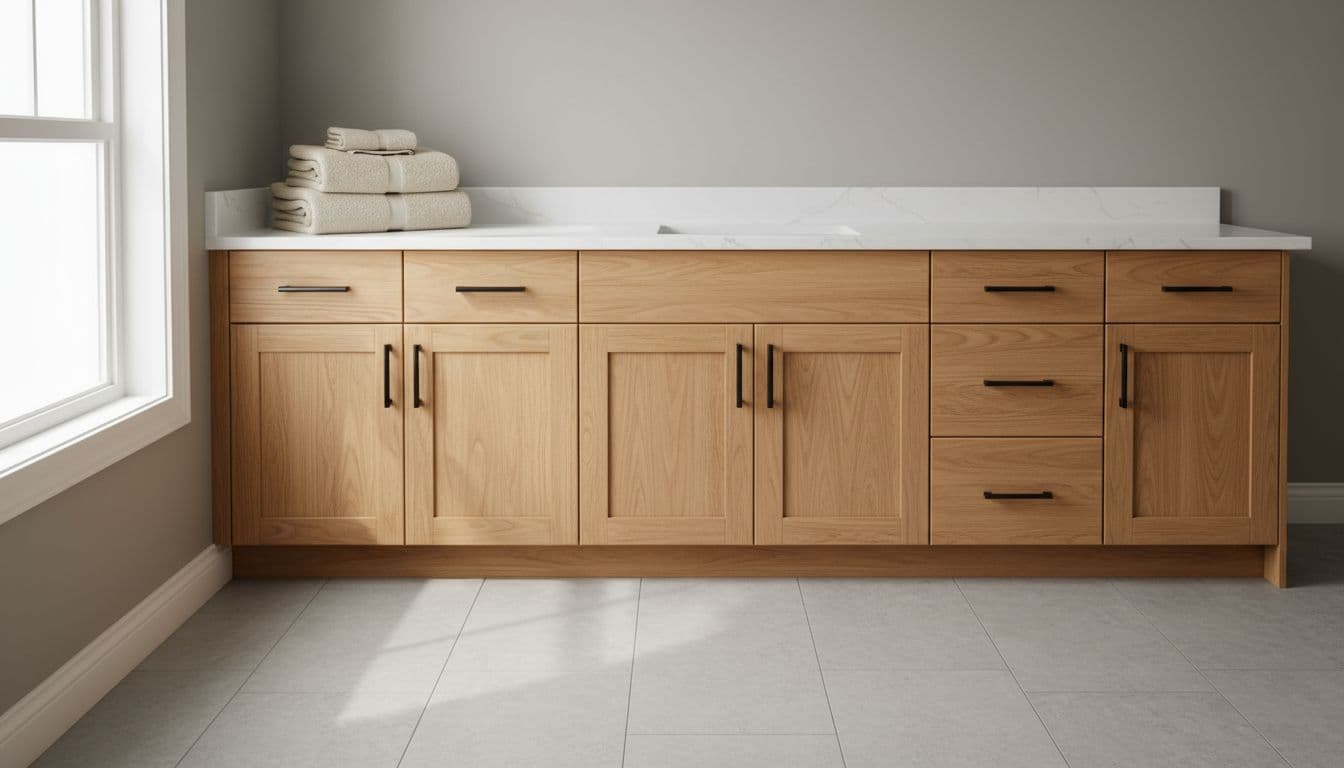
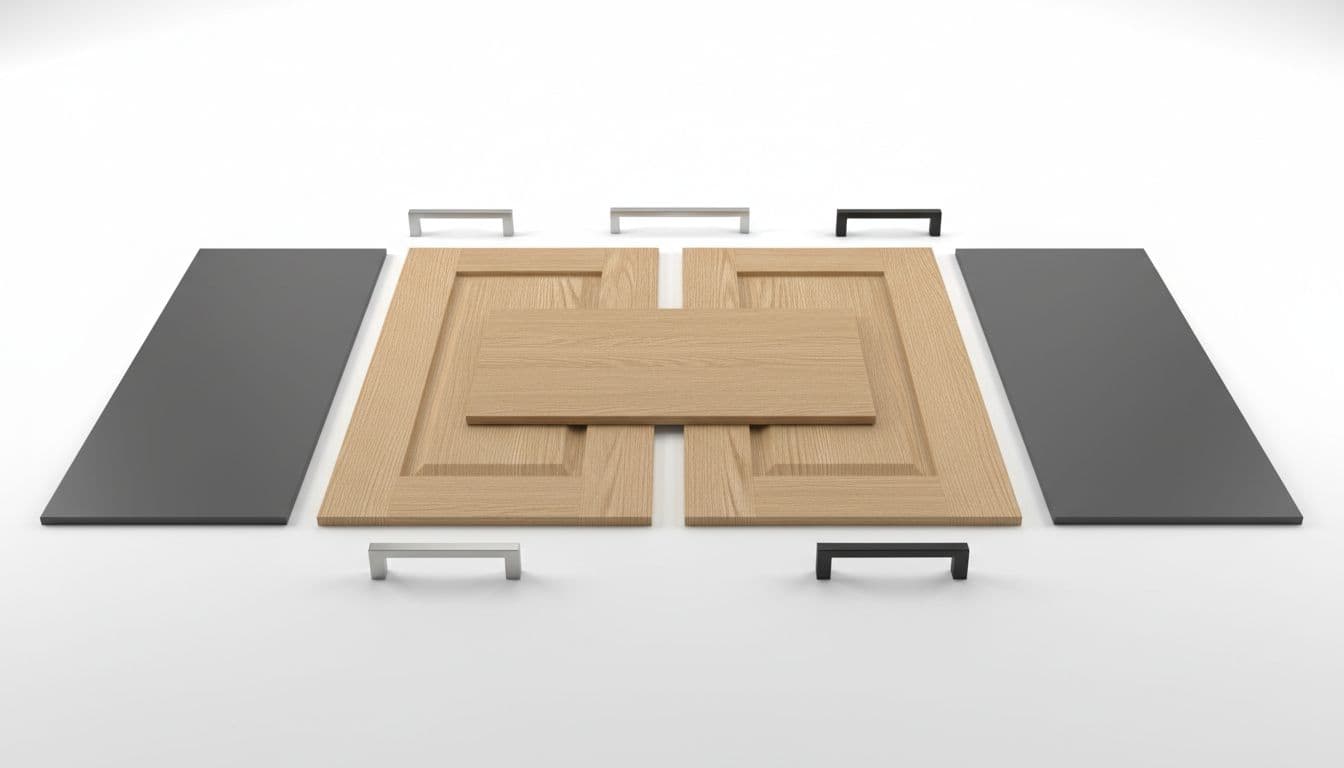
Most of the visual change comes from new doors and drawer fronts. Installers also add veneer or laminate skins to exposed cabinet sides and face frames, so everything matches.
Trim can be refreshed too. New hinges and pulls help the vanity feel current, even if the cabinet box is older. In some cases, homeowners also update the countertop, sink edge, or side panels for a more complete finish. The goal is simple, make the vanity look new where it counts most.
Signs refacing is a better choice than replacing the vanity
Refacing makes the most sense when the cabinet boxes are strong and square. Small cosmetic wear is fine, but major swelling, rot, or soft spots are not.
It also works best when you like the current layout. If you don't need to move plumbing and the storage setup already suits your routine, keeping the base saves time and money. On the other hand, severe water damage or a major design change usually points to full replacement.
The biggest benefits of bathroom refacing for busy homeowners
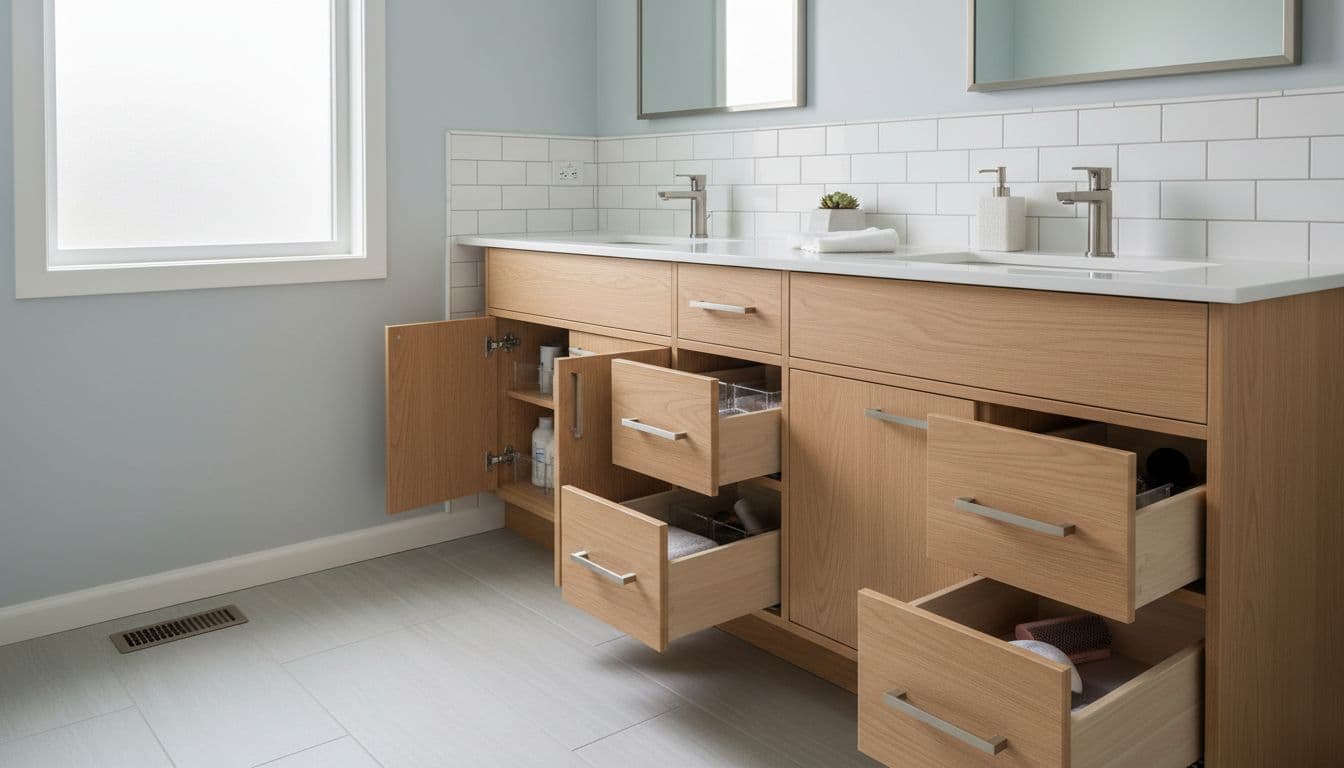
For many households, the biggest win is simple, you get a noticeable upgrade without turning the bathroom into a work zone. Because the cabinet boxes stay put, labor drops, cleanup is easier, and the room comes back faster.
Many standard single-vanity jobs fall around $2,000 to $5,000, although larger projects and premium materials can push costs higher. In broad U.S. cabinet refacing data for 2026, total project costs can run much higher depending on size and scope. Timing is also appealing. Many professional jobs finish in 1 to 3 days.
A quick side-by-side view makes the choice easier:
| Option | Typical cost | Typical timeline | Best for |
|---|---|---|---|
| Refacing a standard vanity | $2,000 to $5,000 | 1 to 3 days | Style updates |
| Vanity replacement | $1,000 to $6,000 with install | 1 to 2 days | New unit needed |
| Full bathroom remodel | $8,000 to $45,000 | 4 to 8 weeks | Full redesign |
The takeaway is clear, refacing often gives the best value when the vanity itself is still worth keeping.
How much bathroom refacing costs compared with a full remodel
In many cases, refacing costs 50 to 70 percent less than a bigger replacement-focused project. Savings depend on vanity size, labor rates, door style, and whether you add extras like a new top or soft-close hardware.
If your cabinet boxes are strong, paying for new surfaces often makes more sense than paying for demolition.
That said, cheap isn't the only point. You're paying for a faster refresh with fewer moving parts.
Why the faster timeline and lower mess matter so much
Busy homes feel every day of downtime. A guest bath out of service for a weekend is one thing. A primary bath torn apart for weeks is another story.
Because installers keep the cabinet boxes, there's less dust and less hauling. That matters if you have kids, frequent guests, or a tight work schedule. It also means less waste goes to the landfill, which is a nice bonus.
How the bathroom refacing process works from start to finish
With Dr. Cabinet, the job starts with a close look at the vanity. The team checks box strength, moisture damage, alignment, and measurements. If the structure passes, they help you choose doors, finish, and hardware.
Next comes removal of the old fronts, hinges, and pulls. After that, the exposed surfaces get cleaned, prepped, and covered with matching veneer or laminate. New doors and drawer fronts go on once the surface work is done, then the hardware is installed and adjusted.
Dr. Cabinet can also suggest smart upgrades during this stage. Soft-close hinges, better drawer slides, and simple storage add-ons can make the vanity feel better to use, not only better to look at.
Simple material and style choices that can change the whole look
In 2026, warm wood tones are showing up everywhere, especially light oak and medium walnut looks. Matte finishes also feel calm and clean, which works well in bathrooms.
Brushed nickel remains a safe choice, while matte black adds contrast. Laminate is budget-friendly, but real wood veneer gives a richer look. If you want a spa-like feel, keep the palette soft and the hardware simple.
Should you do bathroom refacing yourself or hire a pro
A small vanity and steady hands can make DIY tempting. If you already own tools, measure well, and have patience, a simple kit may work.
Still, clean results are harder than they look. Crooked doors, chipped edges, and bad veneer seams stand out fast in a small room. Moisture also leaves little room for sloppy prep. A pro usually brings better fit, quicker turnaround, and warranty support.
DIY can save money upfront, but mistakes often cost more later. Think about your cabinet condition, your free time, and how exact you want the final look to be.
When professional bathroom refacing is worth the investment
Professional help makes sense when edges are damaged, measurements are tricky, or door sizes need to be custom made. It also pays off when you want upgrades like soft-close hardware and a polished finish.
Dr. Cabinet can inspect the vanity first and tell you if refacing makes sense or if replacement is the smarter move. That kind of clear advice can save both money and frustration.
A tired vanity doesn't always need a full tear-out. When the cabinet boxes are solid, refacing can bring a big visual lift with less mess, less downtime, and a more comfortable budget.
Look at the structure first, then match the plan to your goals. If you want a clean answer before spending more than you need to, Dr. Cabinet can help you decide on the right next step.


Comments
Post a Comment