Cabinet Calculator for Better Cabinet Planning and Budgeting
A kitchen project can go off track fast when the numbers are wrong. A cabinet calculator gives you a clearer starting point before a repair, refacing job, custom build, or full update.
It helps you size the space, sketch out materials, and set a budget that makes sense. That matters whether you're fixing one damaged base cabinet or planning a full install. For homeowners and business owners alike, Dr. Cabinet is a practical source when you want solid planning before you repair, upgrade, or install cabinets.
What a cabinet calculator does and when it makes the biggest difference
In plain terms, a cabinet calculator is a planning tool that turns room measurements into useful estimates. It can help you figure out cabinet sizes, likely layout limits, material needs, and rough costs before work starts.
That makes a big difference when you're trying to avoid waste. If a drawer box needs replacement, if doors need refacing, or if a break room needs fresh storage, the tool gives you a working baseline. It's helpful for kitchens, bathrooms, laundry rooms, office storage, and light commercial spaces.
It also helps you slow down before spending money on the wrong fix. Many older cabinets still have strong boxes, even when doors, hinges, and drawer fronts look tired. In those cases, Dr. Cabinet often helps clients repair, reface, or upgrade what they already have instead of tearing everything out.
The basic numbers you need before you start
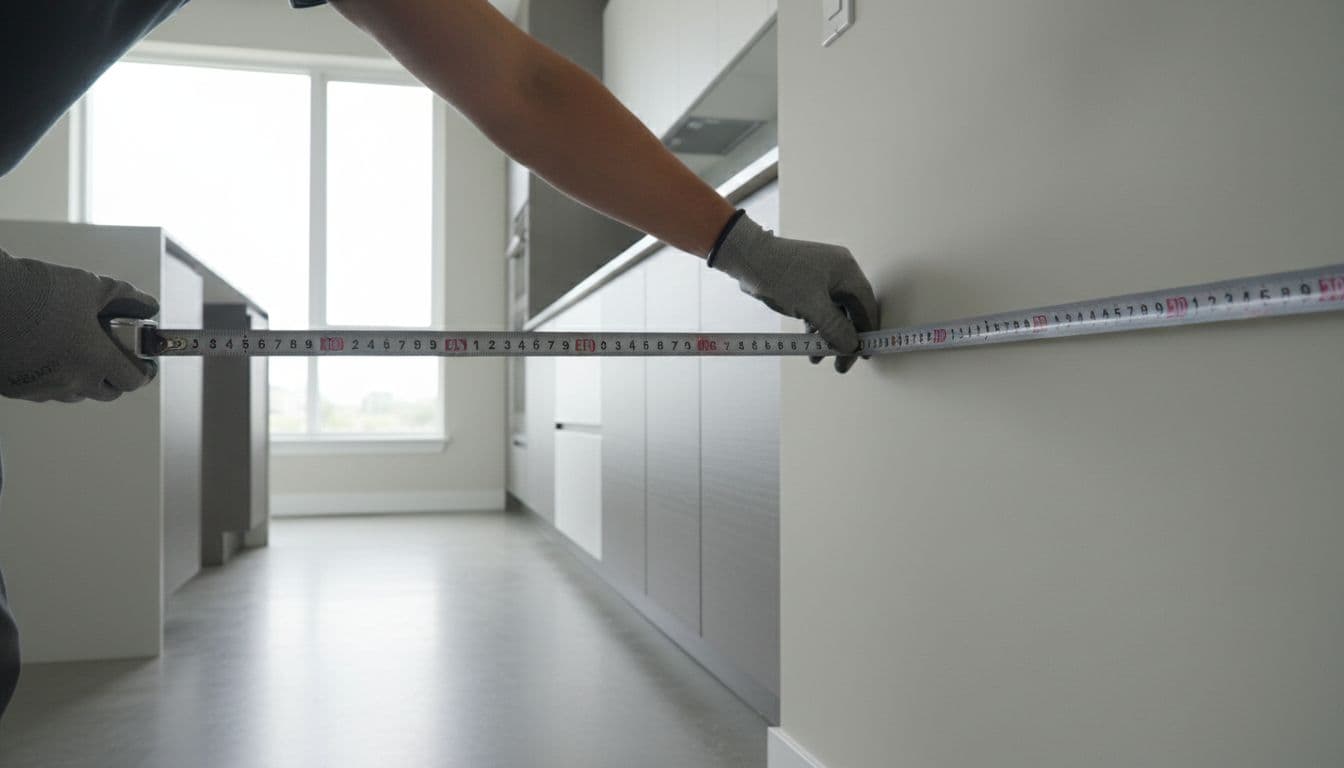
Before you plug anything into a tool, gather the numbers that matter most:
- Wall width, ceiling height, and cabinet depth
- Open space around appliances, windows, and doors
- Filler strip needs near walls or corners
- Door swing clearance and drawer pull-out space
- Toe kick height and crown molding space
- Plumbing, outlet, and vent locations
- Material choice, because plywood, MDF, and solid wood affect price
Write each number down as you go. A clean sketch beats a good memory every time.
What results you can expect from a good tool
Most tools give you rough cost ranges, basic part sizes, and material estimates. Some also create cut lists, parts lists, or simple 3D previews that help you spot fit problems early.
That doesn't mean the numbers are perfect. Think of them as a map, not a final contract. If the result looks tight or odd, it's a sign to re-check the room before ordering anything.
How to use a cabinet calculator without making costly measurement mistakes
Still, a cabinet calculator is only as good as the numbers you feed it. One bad measurement can throw off a whole run of cabinets, like building a staircase with one wrong step.
Start with the room, not the cabinets. Measure the full wall, then break that wall into smaller parts. Include windows, trim, corners, and appliance gaps. After that, enter cabinet sizes and compare them against real clearance needs.
Common mistakes are easy to miss. People often measure once, forget filler strips, skip toe kicks, or ignore crown space. Older homes add another problem, because walls and floors may not be square. If existing cabinet boxes are out of level or damaged, your plan may look right on paper but fail in the room.
That is where Dr. Cabinet becomes useful. If your numbers show that a full replacement is expensive, but the boxes are still solid, repairs or refacing may be the better value.

Measure your space carefully before you enter anything
First, measure the floor line and the wall line. Then check ceiling height in more than one spot. If the room is older, compare left and right corners because they may differ.
Next, mark plumbing lines, outlets, switches, vents, and appliance locations. A dishwasher gap, for example, can't shrink because a drawing says so. Also check door swings and walkway space so drawers and appliance doors can open fully.
Finally, measure twice and label everything clearly. A rushed note can cause the same trouble as a bad tape reading.
Measure the room as it exists, not as you wish it looked.
Compare repair, refacing, and replacement before you set your budget
Once you have your estimates, step back and compare options. Solid cabinet boxes with worn doors often make good refacing candidates. Loose hinges, damaged slides, chipped finishes, and sagging drawers may also be worth repairing first.
On the other hand, badly warped boxes, severe water damage, or broken structural panels may point to replacement. That choice becomes clearer when your rough totals show the price gap between a light upgrade and a full rebuild.
For cost-conscious property owners, this is where Dr. Cabinet can save time and money. Instead of replacing everything, you can focus on the parts that affect function and appearance most.
Which cabinet calculator features matter most in 2026
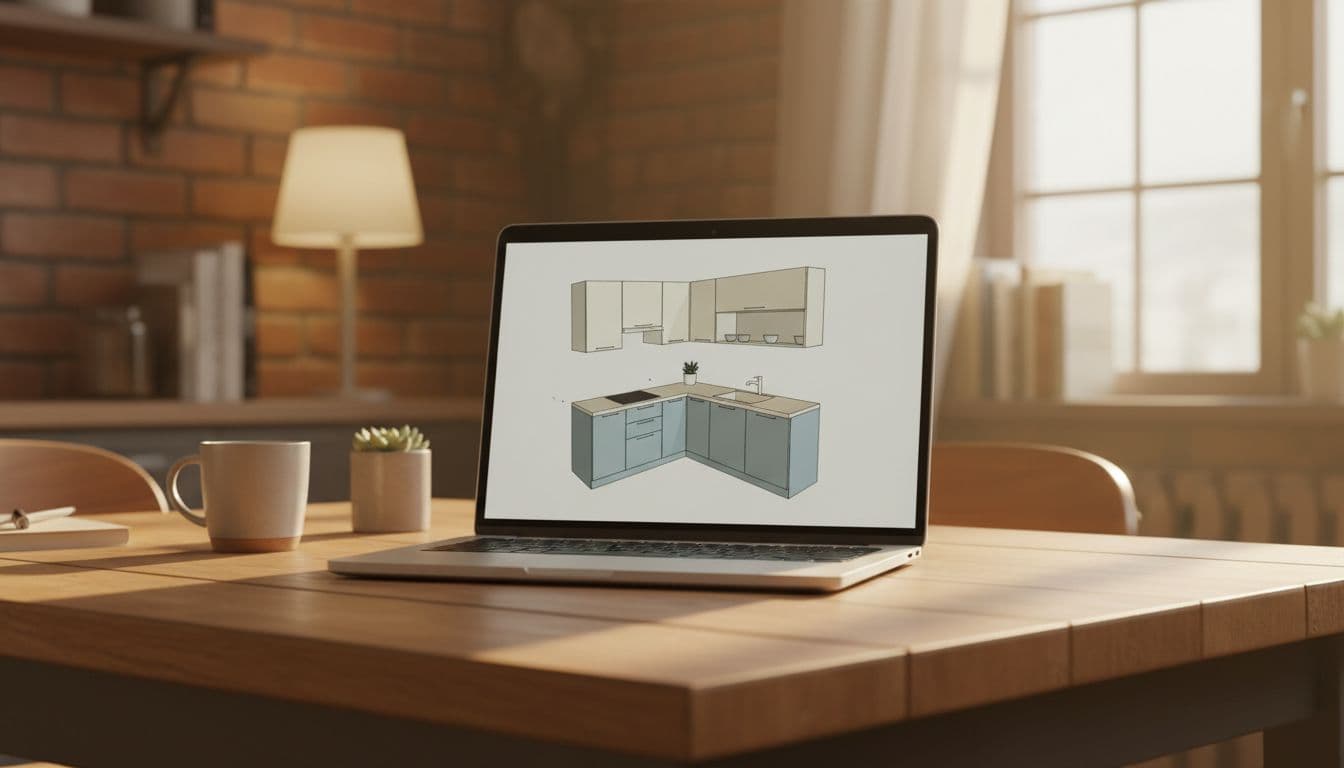
In 2026, the best cabinet calculator tools do more than basic math. They give instant cost ranges, switch between inches and millimeters, create cut lists, and show simple 2D or 3D views.
Many are now web-based, which makes them easier for homeowners to use on a phone or laptop. Some are stronger at box sizing. Others are better for pricing, custom parts, or layout planning. The smart move is picking the type that fits your project, not the one with the longest feature list.
Best for quick estimates versus detailed cabinet planning
This quick comparison helps show the difference:
| Tool type | Best use | Typical output |
|---|---|---|
| Quick estimate tools | Early budgeting | Linear-foot pricing, rough totals |
| Planning tools | Layout and sizing | Full box dimensions, parts lists |
| Advanced design tools | Custom work | Cut lists, 2D or 3D previews |
Quick tools are great when you need a fast budget range. More detailed tools help when you're planning drawer sizes, panel cuts, or custom storage. Some popular web tools now offer printable lists and simple room views, which is handy for DIY planning. https://drcabinet.com/cabinet-calculator/
Signs you should talk to a pro instead of trusting the numbers alone
Numbers can only go so far. If your layout is unusual, the cabinet frames are damaged, or you have specialty European cabinetry, a calculator won't catch every issue.
The same goes for commercial spaces, custom organizers, and older cabinets with hidden wear. In those cases, expert eyes matter more than a neat estimate. Dr. Cabinet can help confirm whether a repair, reface, or custom upgrade makes better sense than a full replacement.
A good plan starts with clear numbers, but it shouldn't end there. A cabinet calculator helps you budget better, measure smarter, and avoid waste before the work begins.
When the results point to repairs, refacing, or selective upgrades, that can be the better move. Dr. Cabinet helps turn those early numbers into practical next steps, especially when saving strong cabinet boxes makes more sense than starting over.


Comments
Post a Comment