Parts for Cabinets That Matter for Repairs and Upgrades
A cabinet door that won't close can make the whole room feel worn out. Still, broken kitchens aren't the only reason to look at cabinet parts.
The right Parts for Cabinets can fix damage, improve storage, and help older cabinets last much longer. For homeowners and property managers, that often means less mess, less cost, and less downtime than a full replacement. Dr. Cabinet sees this often, because a better slide, a new panel, or a hinge swap can solve more than people expect.
It helps to know which parts matter first, because not every problem starts where you can see it.
The cabinet parts that do the heavy lifting
When people shop for Parts for Cabinets, they often start with knobs or hinges. That makes sense, but the bigger pieces carry the load every day. If those base parts are weak, fresh hardware won't fix much for long.
Cabinet box, face frame, and panels
The cabinet box is the main body. It includes the sides, top, bottom, and back panel. These pieces keep the cabinet square, hold the weight, and anchor everything else.
On framed cabinets, the face frame sits on the front opening. It helps with strength and gives doors and drawers a clean edge to sit against. If the frame shifts or the box swells from moisture, doors stop lining up and drawers start to rub.
Panels matter more than many people think. A loose back panel can make a whole cabinet wobble. A damaged side panel can weaken shelf support. Even a small split near a fastener can turn into a bigger repair later. https://drcabinet.com/parts-for-cabinets/
Doors, drawer boxes, and shelves
These are the parts you touch every day, so wear shows up fast. Cabinet doors take hits, collect grease, and drift out of line. Drawer fronts affect the look, while the drawer box does the real work of carrying weight and staying square.
Shelves also tell you a lot about cabinet health. A shelf that sags may be too thin, poorly supported, or water-damaged. Chipped edges, cracked corners, and swollen particleboard hurt storage, daily use, and the overall look.
If the bones are solid, replacing these visible parts can make old cabinets feel new again.
Hardware parts that make cabinets work smoothly
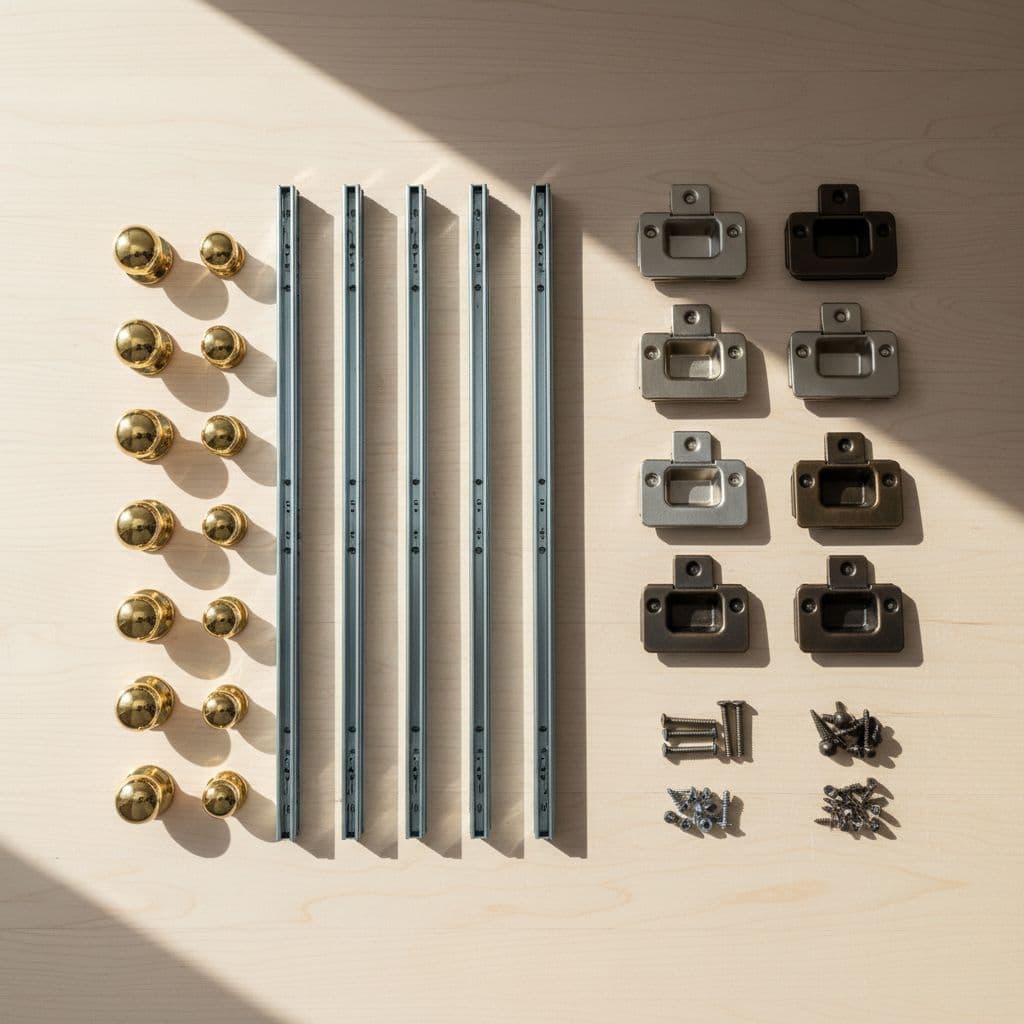
Small Parts for Cabinets cause a big share of daily frustration. Dr. Cabinet often gets calls about doors that sag, drawers that stick, and shelves that feel shaky. In many homes, the cabinet itself is still in good shape. The hardware is what gave out.
Hinges, drawer slides, and shelf pins
Hinges control how a door opens, closes, and lines up. When screws loosen or the hinge wears out, the door may rub, hang crooked, or refuse to stay shut. A quick adjustment helps sometimes, but stripped screw holes or bent hinges usually mean replacement.
Drawer slides do even more work. Worn rollers, bent tracks, or failed soft-close slides lead to scraping, tilting, and rough movement. The fix only works if you match the right style, because side-mount, center-mount, and undermount slides are not interchangeable.
Shelf pins look minor, yet they hold a lot of weight. If one pin is missing or bent, the shelf can rock or drop.
If the cabinet box is still solid, new hinges or slides often cost far less than a full replacement.
Knobs, pulls, latches, and trim
Handles affect both comfort and style. A pull that feels sharp, loose, or too small gets annoying fast. Changing knobs or pulls is one of the easiest upgrades, and it can freshen older cabinets without touching the layout.
Latches and catches also matter. If a door pops open on its own, the latch may be worn or out of place. Meanwhile, trim pieces such as molding, light rail, or toe-kick covers help cabinets look finished.
For busy rentals and family homes, Dr. Cabinet often updates pulls and latches first, because the change is low-cost and easy to notice.
How to choose the right replacement parts for your cabinets
Buying Parts for Cabinets gets easier when you know what to match. Start with size, mounting style, and cabinet type. Then check material, finish, and hole spacing. If measurements get tricky, Dr. Cabinet can help match parts before you order the wrong item.
This quick check saves time and return trips:
| What to match | Why it matters |
|---|---|
| Cabinet type | Framed and frameless cabinets use different hardware positions |
| Size | Doors, shelves, and slides must fit the opening exactly |
| Finish | New pieces should blend with the cabinet's current look |
A five-minute measurement can save hours of frustration.
Match the part to the cabinet type and damage
Framed and frameless cabinets don't use all the same parts. A hinge made for one style may sit wrong on the other. The same goes for drawer slides, shelf supports, and some door mounting patterns.
Damage type matters too. Surface scratches may only need filler, touch-up, or refinishing. Loose hardware may call for new screws, inserts, or hinges. A cracked panel or swollen box side usually needs a replacement part. Some Parts for Cabinets are close enough to swap across brands, but many are not.
Look closely before you buy. If the issue is cosmetic, don't pay for a structural repair. If the box is failing, a new handle won't solve it.
Know when repair beats replacement
Repair usually wins when the cabinet box is square, dry, and stable. In that case, new doors, drawer boxes, slides, or shelves can add years of use for much less money. This is often the smart move for rentals, offices, and homes where the layout already works well.
Replacement makes more sense when the box has major water damage, deep warping, or widespread joint failure. Age matters too, but condition matters more. A 20-year-old cabinet with a strong box can still be worth saving. A newer one with swollen panels may not be.
Most people don't need a full tear-out. They need the right fix at the right spot.
A smart fix starts with the right part
Cabinets usually wear out one piece at a time, not all at once. That is why the right repair can improve function, sharpen the look, and stretch the life of cabinets you already own.
When you're comparing Parts for Cabinets, focus on fit first. Good matching saves money and avoids replacing more than you need. If the job calls for repair work, upgrades, or custom solutions, Dr. Cabinet can help keep solid cabinets working hard.


Comments
Post a Comment