Custom Cabinets: Are They Worth It for Your Home?
A custom cabinet is made for your room, your storage needs, and your style. People choose this route when stock boxes leave wasted space or awkward gaps.
If you're planning a kitchen, bath, or closet update, Dr. Cabinet is one of the names you'll hear when the goal is practical improvement, not hype. Custom work can improve fit, style, storage, and long-term value, but only when it matches your home and budget. First, it helps to see how these options differ.
What makes custom cabinets different from stock options?
Stock cabinets come in fixed sizes and ready-made styles. Semi-custom lines start with standard boxes, but allow some changes to width, finish, trim, or storage features. Fully custom cabinets are built from scratch for one room.
This quick comparison makes the difference easier to see:
| Type | How it's made | Flexibility | Best fit |
|---|---|---|---|
| Stock | Pre-built in set sizes | Low | Simple layouts, lower budgets |
| Semi-custom | Standard boxes with limited changes | Medium | Common layouts with some upgrades |
| Custom | Built for one space | High | Odd rooms, exact sizing, special design goals |
Stock lines often work in rentals, quick updates, or simple laundry rooms. Semi-custom works well when you want better finishes but the room still fits common sizes. Full custom work stands out when every inch matters.
Built to fit your exact room
This is where the biggest difference shows up. A custom cabinet can follow an uneven wall, fill a narrow alcove, wrap an odd corner, or rise to a tall ceiling without bulky filler pieces. In small kitchens, those inches add up fast.
That same benefit helps in bathrooms, closets, mudrooms, and home offices. Older homes rarely have perfect lines, so built-to-fit cabinetry can solve problems that standard boxes leave behind. The result is better use of space and a room that feels planned, not pieced together.
 ### More choices for style and materials
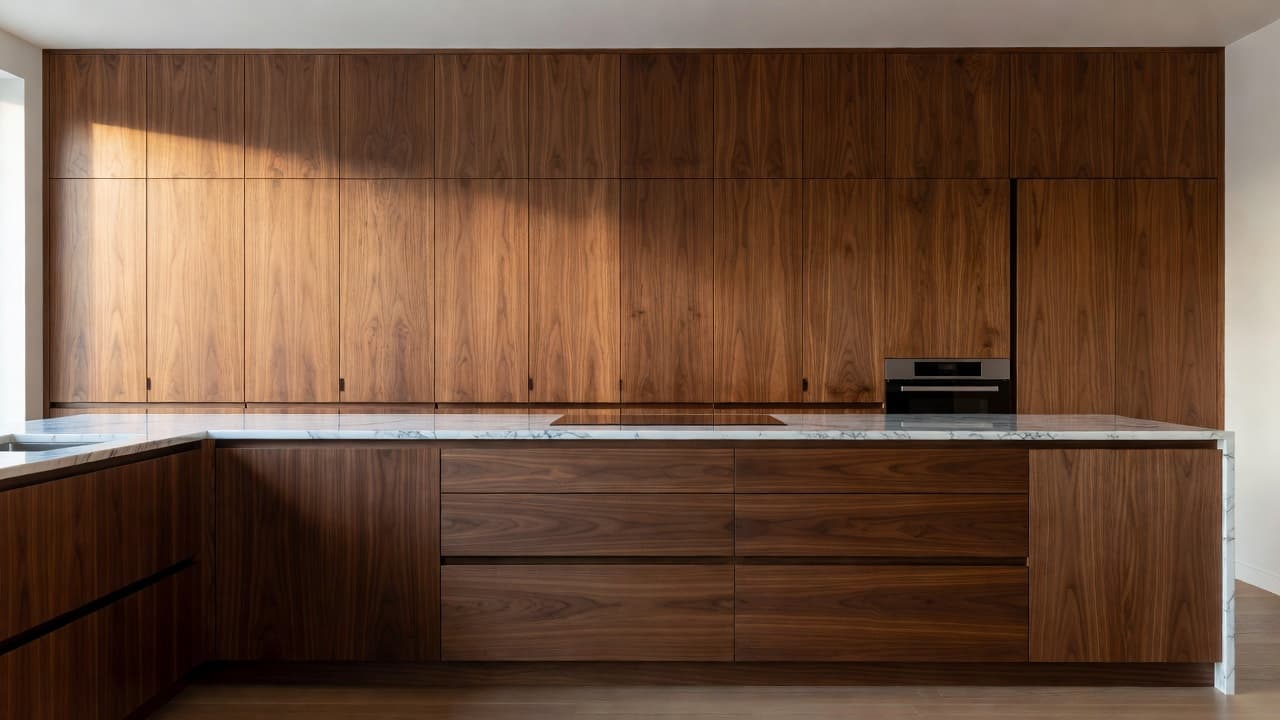
Fit matters, but looks matter too. With custom work, you can choose the wood species, stain, paint color, sheen, door style, drawer fronts, hardware, and trim details. That makes it easier to match the rest of the home.
You also get more say over the inside. Shelves, drawer depth, pull-outs, dividers, and specialty storage can all reflect how you use the room. If you want warm walnut, painted shaker doors, or a vanity that feels like furniture, custom cabinets give you that control.
The biggest benefits of custom cabinets in daily use
Good cabinets should make daily life easier. In daily use, a custom cabinet earns its keep when storage works the way you do, not the way a factory guessed you might.
That payoff shows up in small moments, like reaching a pan without kneeling on the floor or finding spices without digging through a crowded shelf. Over time, those small wins matter more than a pretty finish. Any help please link click here.
Smarter storage that matches how you live
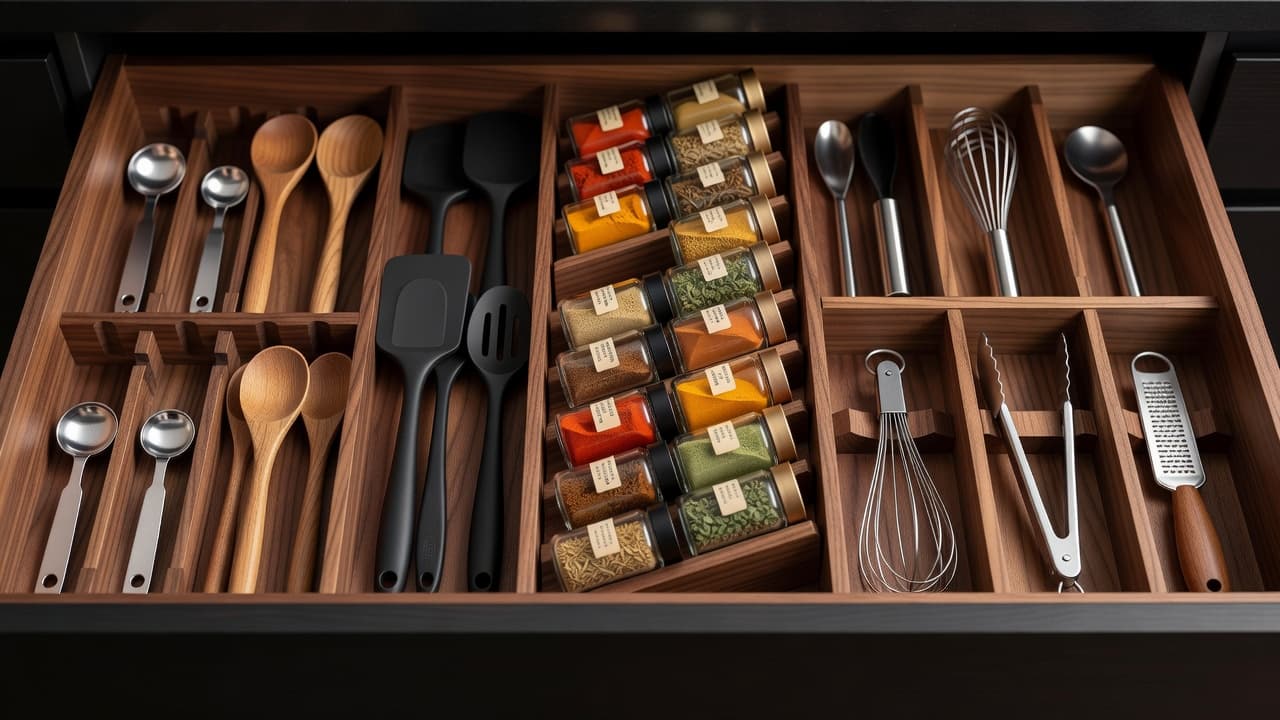
Storage is where custom work often feels the most useful. Pull-out shelves help with heavy pots and appliances. Deep drawers hold pans better than low cabinets with fixed shelves. Hidden trash bins clear floor space, while tray dividers keep baking sheets upright and easy to grab.
Spice pull-outs, drawer inserts, broom storage, pantry roll-outs, and built-in organizers also cut clutter. If you cook often, entertain, or share a kitchen with kids, those details can save time every day.
 ### Stronger materials can mean a longer life
Many custom shops use thicker plywood, stronger joints, solid wood doors, and better drawer slides than lower-cost stock lines. Better hinges and soft-close hardware also reduce wear over time. Cabinets still need care, but sturdy parts usually hold up better under daily use.
That matters in busy kitchens and family bathrooms, where doors and drawers get opened all day. When the build is solid, repairs tend to be less frequent, and refinishing later is often easier.
A cleaner look with fewer gaps and fillers
Made-to-fit cabinetry often looks calmer because the lines are tighter. You get fewer strange gaps, fewer filler strips, and trim that meets the wall more cleanly. That can make a kitchen or bath feel more polished right away.
Good cabinet design should save steps every day, not only look nice on install day.
When custom cabinets make the most sense
Custom work is not the right answer for every home. If the layout is simple and the budget is tight, stock or semi-custom cabinets may be enough. Still, some situations make custom work the clear winner.
Homes with awkward layouts or tight spaces
Older homes and small rooms often have the hardest layouts. A custom cabinet is the cleanest answer for a narrow pantry wall, a sloped ceiling, a tight galley kitchen, or a bathroom with tricky plumbing. Those spaces need exact sizing, not guesswork.
Corners are another common problem. Standard boxes can leave dead space or awkward access, while custom solutions can turn those spots into useful storage. In a compact room, that extra function matters.
Projects where design details really matter
Some homeowners want more than a decent match. They want the right wood tone, a certain door profile, a premium finish, or cabinet proportions that fit the home's age and style. Stock options can come close, but close is not always enough.
Custom cabinets also help when you want one room to connect with another. A kitchen can echo nearby built-ins, a mudroom can match the trim, and a vanity can feel like part of the architecture instead of an add-on.
Renovations that should boost resale value
Quality cabinetry can support resale because buyers notice storage, finish quality, and how complete a room feels. A smart update won't promise a full dollar-for-dollar return, but it can make the space feel more valuable and better cared for.
That matters most when old cabinets look worn, patched, or badly fitted. A well-planned kitchen or bath often leaves a stronger impression than a room with visible shortcuts.
What to expect from the custom cabinet process
Custom work takes more planning than store-bought cabinets, and that's normal. You're not picking boxes off a shelf, so the early steps matter more.
Measuring, planning, and design choices
The process starts with careful measuring. Walls, corners, ceiling height, appliance locations, and problem spots all need a close look. This is also the stage where storage needs, style choices, and layout ideas come together.
Good planning can prevent expensive surprises later. Many shops provide drawings or mockups, so you can review traffic flow, door swings, drawer clearances, and finish choices before the build starts.
Build time, installation, and final adjustments
Because the pieces are made for your home, the timeline is usually longer than stock or semi-custom options. That extra time covers fabrication, finishing, delivery, and fitting on site.
Installation matters as much as the build. Crews need to level boxes, align doors, fit trim, and adjust drawers so everything looks right and works smoothly. Older homes often need small scribe cuts or shims because floors and walls are rarely perfect.
How Dr. Cabinet helps homeowners "save, don't replace"
For many homeowners, a full tear-out is not the first smart move. Dr. Cabinet focuses on repair, restoration, refacing, refinishing, makeovers, and custom cabinetry when the room truly needs more than a touch-up.
Repair and restore before you replace
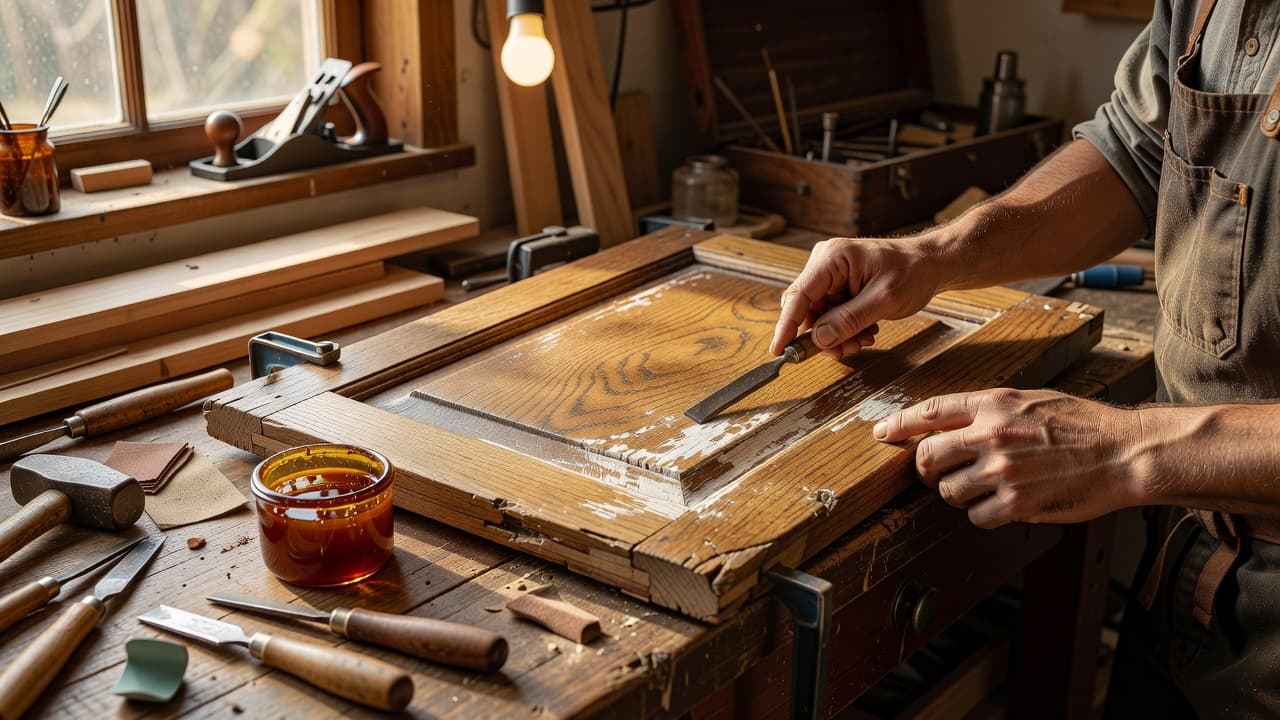
Loose hinges, broken drawer boxes, chipped doors, water-damaged panels, faded finishes, and worn hardware can often be fixed. If the layout still works, repair may save money and give the room years of added life.
That approach fits kitchens, vanities, closets, and built-ins that look tired but still have good bones. Cabinet repair, drawer fixes, door alignment, hardware updates, touch-ups, and refacing can all refresh the space without starting from zero.
 For homeowners in New York City and nearby areas, a free estimate can help sort out the best next step. You can call 917.338.9617 or email infodrcabinet@gmail.com to get an honest opinion before replacing everything.
When a custom cabinet solution is the better next step
Repairs are not always enough. When the layout wastes space, damage is widespread, or storage no longer fits the way you live, Dr. Cabinet can recommend a better long-term fix. That may mean one new vanity, a rebuilt pantry wall, updated built-ins, or a full custom upgrade.
This route makes sense when standard sizes will still leave problems behind. If the goal is a better fit, better function, and a more finished look, custom work often solves the root issue instead of covering it up.
Final thoughts
The best cabinet choice depends on your space, budget, and goals. Fit, style, storage, durability, and long-term value all matter, but they matter in different ways for different homes.
When a room needs exact sizing and smarter storage, custom cabinets can be a strong long-term upgrade. If your existing setup still has life left, repair or refacing may be the better move first, and Dr. Cabinet can help you weigh both paths clearly.
For a free estimate or consultation, call 917.338.9617 or email infodrcabinet@gmail.com.


Comments
Post a Comment