Cabinet Manufacturers: Choose New, Custom, or Renewed Cabinets
Cabinets shape how a kitchen, bathroom, office, or restaurant works every day. Cabinet Manufacturers build and supply new units, while local specialists may repair, reface, refinish, or customize what you already own.
If your cabinet boxes are still sound, full replacement may add cost and disruption without solving the real problem. Dr. Cabinet helps property owners across New York City, New Jersey, and nearby areas assess practical repair and renewal options before committing to new cabinetry.
The right choice comes down to condition, function, style, timing, and the work your space requires.
Cabinet Manufacturers: What They Make and How They Work
A cabinet manufacturer produces cabinets for kitchens, bathrooms, closets, offices, retail stores, and other built spaces. Some sell directly to homeowners or businesses. Others work through showrooms, designers, dealers, or remodeling contractors.
The process often starts with measurements and a layout. After material, door style, finish, and hardware selections, the manufacturer builds or orders the components. Delivery and installation follow, either through an in-house crew or a separate contractor.
Cabinet Manufacturers often focus on new products. A cabinet dealer helps customers select and order those products. A contractor installs them as part of a remodel. In contrast, a restoration company repairs existing doors, drawers, finishes, and hardware. Dr. Cabinet can inspect kitchen and vanity cabinets first, so you can make a decision based on their actual condition.

### Stock, semi-custom, and custom cabinets explained
Stock cabinets come in standard widths, heights, finishes, and door styles. They can work well for straightforward layouts, rentals, quick updates, and projects with a fixed budget. However, filler panels may be needed when walls do not match standard dimensions.
Semi-custom cabinets offer more choices in size, finish, trim, and storage features. They often suit homeowners who want a more tailored look without commissioning every component from scratch.
Fully custom cabinetry is built around the room's exact measurements. It helps when an older home has uneven walls, a commercial site needs unusual dimensions, or a customer needs accessible storage heights. Custom work also makes sense for odd corners, tight apartments, deep pantry storage, and built-ins around existing plumbing or appliances.
Standard cabinets can fit a room, but custom sizing can make difficult walls and unused gaps work harder.
Popular cabinet materials and construction choices
Material matters because cabinets face moisture, heat, weight, and daily opening and closing. Solid wood offers a traditional appearance and can be refinished, although it expands and contracts with humidity. Plywood is commonly used for cabinet boxes because its layered construction handles fasteners well.
MDF creates a smooth surface for painted doors and detailed profiles. Particleboard costs less but needs protection from leaks and damaged edges. PVC suits some moisture-prone applications, while aluminum can work well in commercial, modern, or high-humidity settings.
| Material | Common use | Practical consideration |
|---|---|---|
| Solid wood | Doors, drawer fronts, trim | Needs care around changing humidity |
| Plywood | Cabinet boxes and shelves | Strong choice for fasteners and load-bearing parts |
| MDF | Painted doors and panels | Smooth surface, but vulnerable to prolonged moisture |
| Particleboard | Budget cabinet boxes | Protect edges and avoid water exposure |
| PVC or aluminum | Specialty and commercial cabinets | Useful where moisture resistance or easy cleaning matters |
Look beyond the visible door. Check drawer box construction, adjustable shelves, hinge quality, and the fit of doors against the frame. Soft-close hinges, full-extension slides, pullouts, tray dividers, and organizers can improve daily use without requiring an entirely new cabinet system.
Which Cabinet Options Fit Your Space and Budget?
New cabinetry is one path, but it is not the only path. The best option depends on the cabinet boxes, the layout, the damage, and how much you want to change the room.
Dr. Cabinet provides service-focused solutions for homes, apartments, condos, offices, restaurants, retail stores, hotels, healthcare facilities, and municipal properties. Repairing usable cabinets can reduce demolition, shorten downtime, and preserve parts that still perform well.
When repair or restoration is better than replacement
Many cabinet problems start at the surface or hardware level. Loose doors, squeaking drawers, worn finishes, broken hinges, outdated pulls, and scratched panels do not automatically call for new boxes.
Repair or restoration can be a sensible choice when you have:
- Solid cabinet boxes with minor cosmetic wear or localized damage.
- Doors that need alignment, hinge replacement, touch-ups, or refinishing.
- Drawer boxes with worn slides, loose joints, or damaged fronts.
- A dated finish but a layout that still works for your household or business.
- Minor water or impact damage that has not weakened the cabinet structure.
Refacing replaces visible door and drawer-front surfaces while retaining sound cabinet boxes. Refinishing changes or renews the finish on eligible surfaces. New hardware, soft-close components, and organizers can also bring older cabinets up to date.
When new custom cabinetry makes more sense
Replacement becomes more reasonable when water damage has spread through cabinet boxes, shelving has failed, or unsafe construction affects daily use. A new layout may also be necessary when moving plumbing, changing appliance locations, or redesigning a cramped work area.
Commercial spaces sometimes require exact clearances, durable materials, specialized storage, or coordinated installation schedules. In those cases, a cabinet maker may build to the project's required dimensions and specifications.
A professional should inspect the space before recommending either path. Repair works best when the structure is worth saving. New cabinets make more sense when the existing system cannot safely support the next phase of the project.
How to Compare Cabinet Manufacturers and Local Providers
Price matters, but the lowest quote may leave out delivery, hardware, installation, removal, or repairs to surrounding walls. Compare the full scope instead of comparing a single starting number.
Ask each provider about material samples, measurement procedures, installation experience, scheduling, cleanup, warranty terms, and references. Also confirm that the company serves your location and understands building rules for residential or commercial properties.
Questions to ask before signing a cabinet project
Get clear answers before you approve a design or make a payment:
- Who builds the cabinets, and where are they produced?
- Which box materials, door styles, finishes, hinges, and drawer slides are included?
- Does the provider handle installation in-house or hire another crew?
- How are changes, delays, damaged parts, and measurement errors addressed?
- Does the estimate separate cabinet work, hardware, delivery, installation, and upgrades?
- What warranty applies to the products and the installation work?
A written scope protects both sides. It should identify the rooms, quantities, materials, agreed finish, expected timeline, and any work outside the cabinet project.
How to spot quality work and avoid costly mistakes
Inspect samples and completed work closely. Doors should sit evenly, drawers should move smoothly, and reveals between doors should look consistent. Cabinet bases need secure attachment, while doors and drawers need enough clearance to operate without rubbing.
Clean finishing matters at edges, corners, and touch-up areas. Look for accurate alignment around appliances, walls, and countertops. Also, avoid approving work from photos alone when the project involves existing cabinets or unusual conditions.
Dr. Cabinet offers a free estimate and a personalized assessment, which are useful signs of a local provider that looks at the actual project before proposing a solution. An in-person visit can reveal hidden damage, uneven walls, clearance issues, and parts worth preserving.
A Smarter Cabinet Plan for Homes and Commercial Spaces
Start with the purpose of the room. A busy family kitchen may need deeper drawers and pantry pullouts. A restaurant may need durable surfaces and practical storage. An office kitchenette may need a clean, compact layout that handles frequent use.
Then document measurements, appliance locations, storage problems, finish preferences, and building approvals. Choose hardware early because pull sizes, hinges, drawer slides, and organizers affect the final design. Schedule installation around deliveries, access rules, and the amount of downtime the space can tolerate.
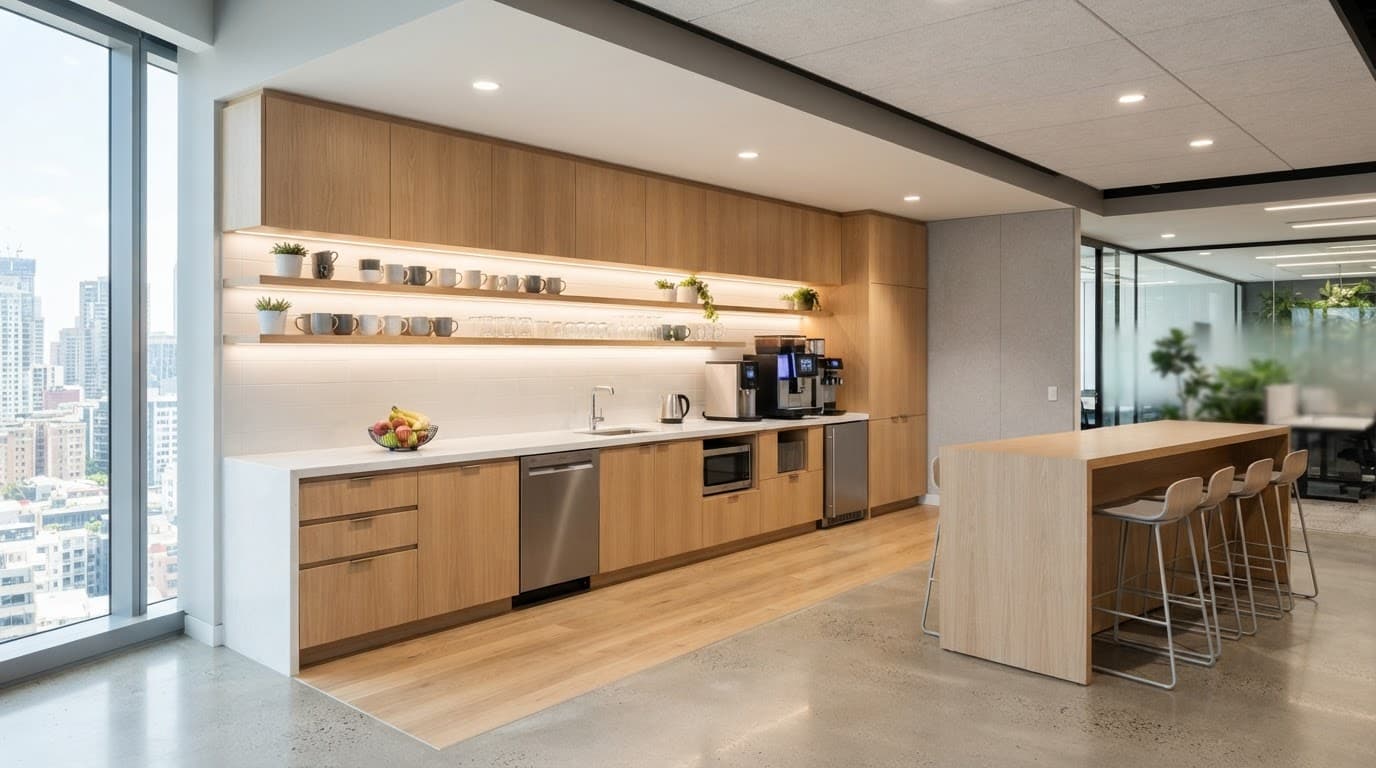 Dr. Cabinet handles cabinet doors, drawers, closets, furniture repair, custom cabinetry, refinishing, refacing, touch-ups, and hardware upgrades. Soft-close components and organizers can improve function while preserving cabinets that remain structurally sound.
For a professional assessment and free estimate in New York City, New Jersey, or surrounding areas, call 201-212-5477 or email infodrcabinet@gmail.com.
The Right Cabinet Choice Starts With Condition
The best cabinet solution is based on what your space needs, not on a label or the lowest initial quote. Cabinet Manufacturers are a strong option for new layouts and exact specifications, while repair, refinishing, refacing, and upgrades can extend the life of sound cabinets.
Before replacing usable cabinetry, have the boxes, doors, drawers, and hardware assessed. Contact Dr. Cabinet for a tailored recommendation, a free estimate, and practical service for residential or commercial spaces.


Comments
Post a Comment