Cabinet Costs in 2026: Repair, Reface, or Replace?
How much will your cabinets really cost in 2026? The answer depends on their size, materials, condition, hardware, labor needs, and whether you repair, refinish, reface, or replace them.
The Cost of Cabinets can look very different for two kitchens with the same footprint. Dr. Cabinet helps homeowners and property managers in New York City, New Jersey, and nearby areas compare practical options before committing to a larger project.
Cost of Cabinets: What Homeowners Can Expect to Pay
National pricing guides place cabinet refacing at roughly $4,000 to $13,500 in 2026. Many average projects land near $6,700 to $7,235, depending on kitchen size, door style, finish, and labor.
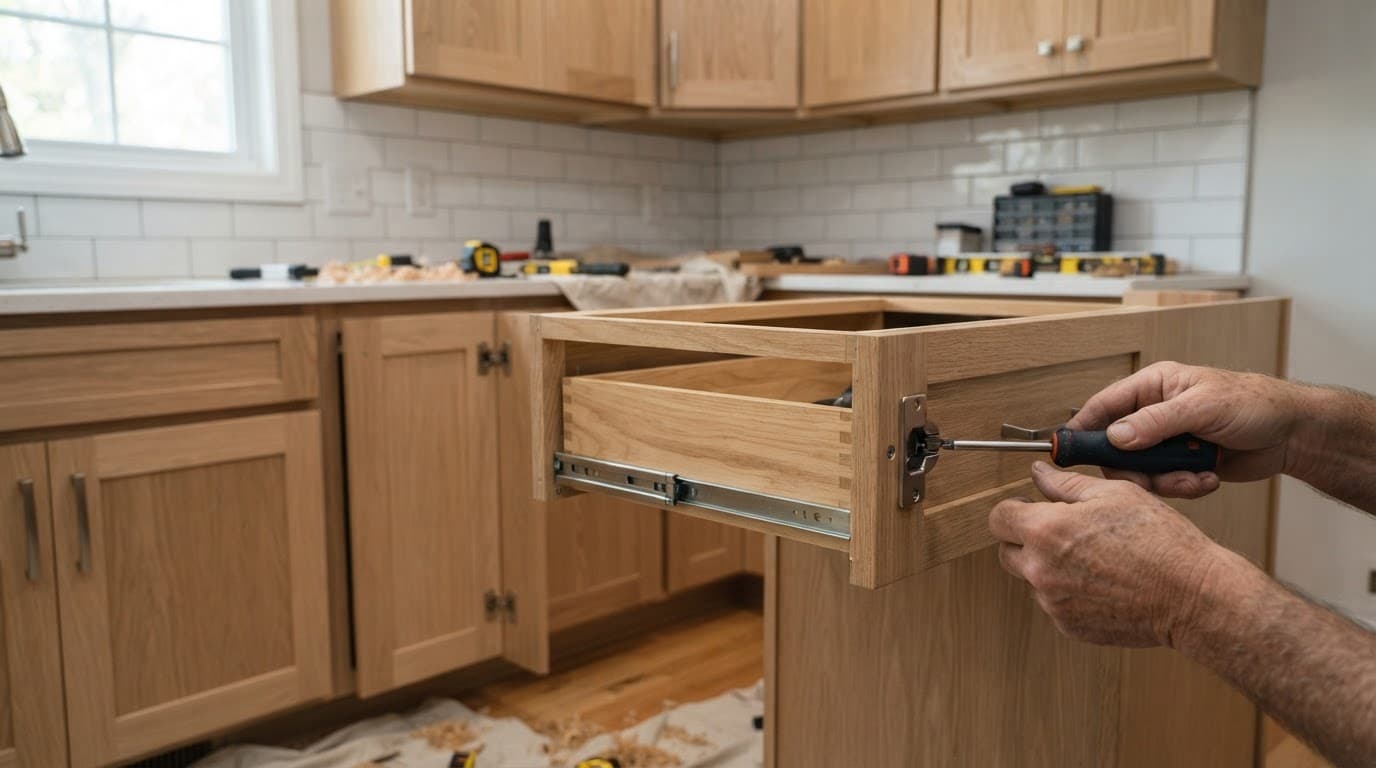 Full cabinet replacement commonly ranges from $5,000 to $30,000 or more. Custom work, layout changes, premium materials, and city labor can push that number higher. Small repairs and touch-ups cost far less, although the damage and replacement parts determine the final price.
The Cost of Cabinets is a planning range, not a quote. New York City and New Jersey labor rates, building requirements, and access conditions can change an estimate. https://drcabinet.com/cost-of-cabinets/
Cabinet Repair, Refinishing, and Refacing Costs
Repair is often the least expensive path for loose doors, broken drawer slides, worn hinges, peeling surfaces, or minor water damage. A technician can replace hardware, adjust doors, repair drawer boxes, and restore worn finishes without disturbing sound cabinet boxes.
Refinishing works well when the structure is solid but the color or finish feels dated. Refacing goes further by replacing doors, drawer fronts, and visible exterior surfaces while keeping the existing cabinet framework.
When the layout still works, refacing often costs about one-half to one-third as much as full replacement. Dr. Cabinet evaluates the condition of each cabinet so clients can decide if renewal provides a durable result.
Full Cabinet Replacement and Custom Installation Prices
Replacement makes sense when boxes are severely damaged, mold is present, water damage has spread, or storage no longer fits the room. Stock cabinets offer the lowest entry price, semi-custom units add more sizes and finishes, and custom cabinetry costs more because it is built for the space.
The cabinet purchase is only part of the budget. Demolition, disposal, installation, trim, fillers, toe kicks, countertops, plumbing changes, appliances, and permits may add substantial costs.
Dr. Cabinet works in kitchens, bathrooms, closets, offices, restaurants, retail spaces, healthcare facilities, hotels, and municipal properties.
Which Factors Have the Biggest Effect on Cabinet Pricing?
Two projects can have the same number of cabinets and still carry very different price tags. Materials, access, finish work, and site conditions often matter as much as cabinet count.
Materials, Finishes, Hardware, and Cabinet Size
Laminate and melamine usually fit tighter budgets. MDF, wood veneer, acrylic, plywood, and solid wood increase material costs at different levels. Plywood boxes and solid wood doors often cost more, yet they can provide better durability in demanding kitchens.
Paint, stain, lacquer, and specialty coatings also affect labor. A painted finish may require careful prep and multiple coats. Stain work depends on wood grain and color consistency.
Hardware can change both function and cost. Soft-close hinges, upgraded drawer slides, pull-out organizers, lazy Susans, trash pull-outs, lighting, and decorative pulls all add to the total. More linear feet, tall cabinets, islands, built-ins, and unusual dimensions require more materials and installation time.
Layout Changes, Access, and Local Labor
Moving plumbing lines, electrical outlets, appliances, or walls raises costs quickly. Those changes may require licensed trades and permits.
Apartments, condos, commercial properties, and high-rises can also require building approval, elevator reservations, hallway protection, and restricted work hours. Demolition, disposal, parking, and site preparation often affect estimates in New York City and New Jersey.
Is Refacing or Repairing Cabinets Cheaper Than Replacing Them?
Repair, refinishing, and refacing usually offer better value when cabinet boxes are sturdy and the existing layout still works. The Cost of Cabinets stays lower because the project keeps the cabinet structure in place.
Replacing doors and hardware can dramatically change a kitchen, but it cannot correct swollen boxes, mold, or a failing cabinet frame.
Dr. Cabinet focuses on renewing existing cabinets whenever that approach will hold up over time. Replacement is the better long-term choice when structure, storage, or layout problems cannot be repaired.
When Cabinet Renewal Gives You the Best Value
Renewal may fit your project when cabinet boxes are solid, doors look outdated, finishes have faded, hardware is damaged, or drawers stick. It also works well when you already like the kitchen layout.
Targeted work can improve daily function without paying for a complete renovation. Cabinet touch-ups, furniture repair, closet improvements, organizer installation, and soft-close upgrades can keep the project budget under control.
When Replacement Is the Smarter Long-Term Choice
Swollen particleboard, sagging boxes, repeated water damage, unsafe construction, severe mold, and unusable storage point toward replacement. A layout that blocks appliances or wastes space may also justify a complete redesign.
Replacing only part of a failing cabinet system can create mismatched finishes and future repair bills. Compare a detailed renewal estimate with a complete replacement estimate before deciding.
How to Get an Accurate Cabinet Estimate and Avoid Surprise Costs
Start by measuring the room, photographing damage, listing desired upgrades, and deciding whether the layout will change. Those details make the Cost of Cabinets easier to evaluate before work begins.
Ask for an itemized estimate that separates materials, labor, demolition, disposal, hardware, finishing, installation, taxes, and possible additional work. Dr. Cabinet offers free estimates at 201-212-5477 or infodrcabinet@gmail.com.
Questions to Review Before Signing a Cabinet Proposal
Confirm the scope of work, materials, finish, hardware brands, warranty, project timeline, payment schedule, cleanup, disposal, and change-order policy. Also ask whether the contractor will repair sound cabinet boxes or recommends replacement by default.
Written details prevent a low initial bid from becoming an expensive surprise later.
A Cabinet Investment That Fits the Space
The right project may be a small repair, restoration, refinishing job, refacing project, custom upgrade, or full replacement. Condition, layout, materials, labor, and desired features determine the final Cost of Cabinets.
For a personalized, no-pressure estimate, contact Dr. Cabinet at 201-212-5477 or infodrcabinet@gmail.com.


Comments
Post a Comment