Cabinet Refacing Materials for a Kitchen That Lasts
New doors, drawer fronts, and finished cabinet surfaces can change a kitchen without tearing out sound cabinet boxes. The right cabinet refacing materials depend on your budget, moisture exposure, preferred style, cleaning habits, and how hard the space works each day.
Dr. Cabinet helps homeowners and businesses compare practical finishes before work begins. Wood veneer, PSA veneer, laminate, thermofoil, solid wood, and painted finishes all create different results.
A good choice starts with the condition of the cabinets you already have.
Cabinet Refacing Materials: The Main Options Explained
Refacing replaces the visible parts of cabinetry while keeping structurally sound boxes in place. New doors and drawer fronts go on first, then installers cover face frames and exposed cabinet ends with veneer, laminate, or matching panels.
A cabinet refacing materials guide can help narrow the choices, but the cabinet style and daily use should drive the final decision. Dr. Cabinet can match finishes, door profiles, and surface performance to the project.
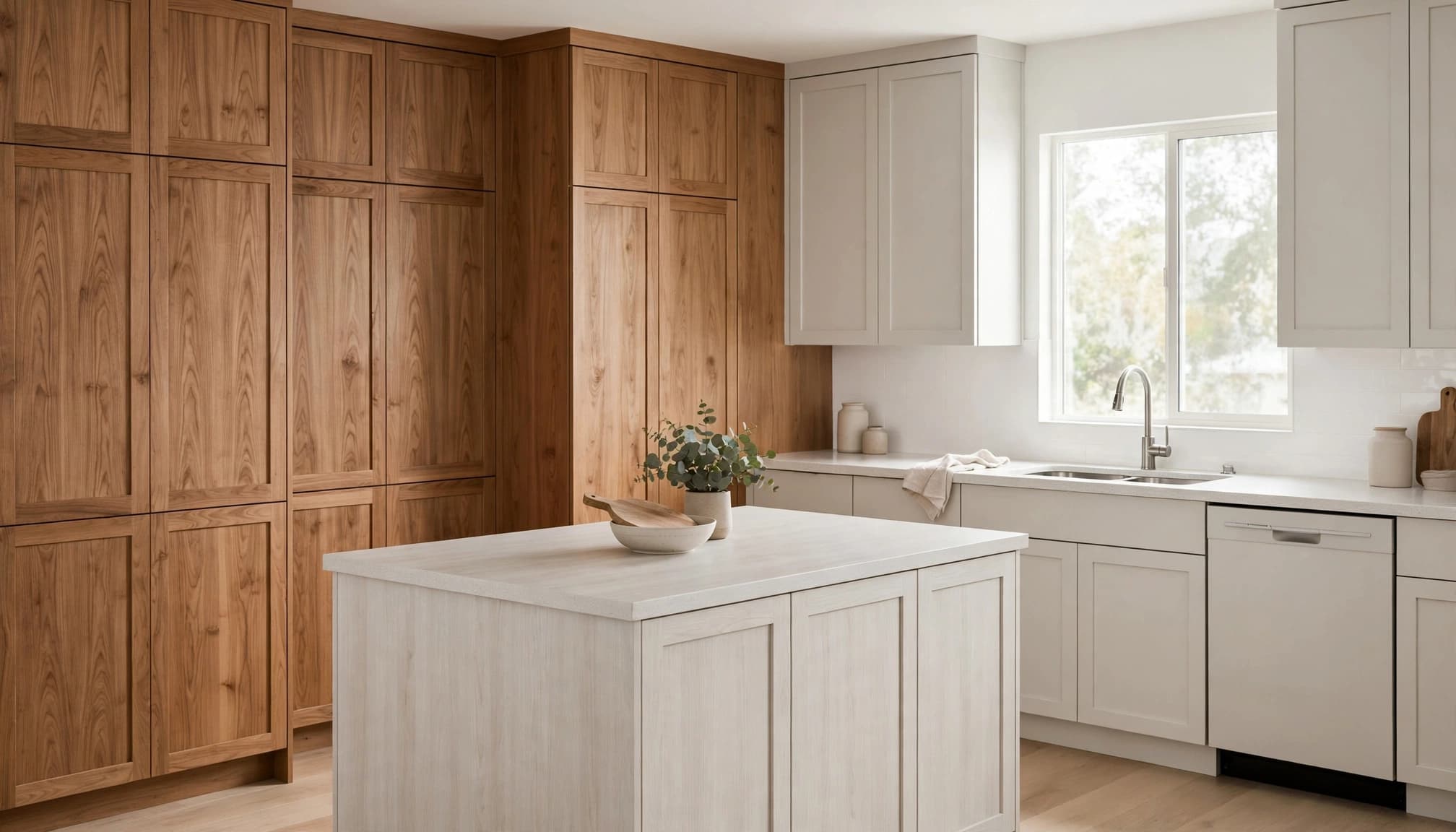
Wood Veneer and Solid Wood Deliver a Natural, Custom Look
Wood veneer is a thin sheet of real wood bonded to a stable base. It gives cabinets the grain, warmth, and stain variation of oak, maple, cherry, or other species without requiring every exposed surface to be solid lumber.
Solid wood refacing stock is thicker and usually costs more. Both options can accept stain or paint, and minor scratches are often more repairable than damage on a wrapped vinyl door. Still, standing water can stain, lift edges, or damage the finish, so sink bases need careful sealing.
These finishes suit traditional kitchens and homeowners who want natural detail. Material pricing and professional installation pricing are separate, so compare complete quotes rather than veneer cost alone.
Laminate, RTF, and Thermofoil Make Cleaning Easier
Plastic laminate is a durable decorative surface bonded to a core. High-pressure laminate, or HPL, generally handles scratches, stains, and busy kitchens better than lower-pressure options. Thermally fused laminate, or TFL, is another practical laminate surface that often appears on ready-made panels.
RTF and thermofoil are vinyl films heat-formed over MDF doors. They create smooth surfaces and can cover routed profiles without visible seams on the door face. Sellers may use PVC, vinyl, RTF, and thermofoil interchangeably, though construction details can vary.
Laminate works well in rentals, offices, restaurants, and active homes because it wipes clean easily. However, seams and exposed edges still need protection. Thermofoil can peel or bubble near dishwasher steam, ovens, and coffee stations, and deep damage often requires panel replacement.
Painted MDF and Paintable Laminate Create a Smooth Finish
MDF has an even, smooth surface, which makes it a common choice for painted doors and drawer fronts. Factory-painted MDF usually offers a more consistent finish than a brush-applied coating on site.
Site-painted wood allows more custom work but may show grain unless the surface receives extensive prep. Paintable laminate offers another route to a solid-color kitchen, especially when a contractor needs matching face-frame coverage.
Painted finishes can chip at corners and high-touch areas. Touch-ups are possible, although exact color matching gets harder after years of sunlight and cleaning.
How to Compare Cabinet Refacing Materials for Your Home
No material wins in every kitchen. A beach house, bathroom vanity, restaurant prep area, and low-traffic guest kitchen face different moisture, heat, and wear conditions.
Dr. Cabinet can inspect existing boxes before recommending a surface. That inspection matters because a finish can only perform as well as the cabinet structure beneath it.
| Material | Best Fit | Main Strength | Watch For |
|---|---|---|---|
| Wood veneer | Warm, traditional kitchens | Real wood grain | Water at seams and edges |
| HPL or plastic laminate | Busy kitchens and commercial spaces | Easy cleaning and strong wear resistance | Edge damage and exposed core |
| RTF or thermofoil | Budget-friendly smooth doors | Low-maintenance appearance | Heat, steam, and peeling |
| Painted MDF | Modern painted kitchens | Smooth color and routed profiles | Swelling if moisture reaches MDF |
| Solid wood | Premium custom projects | Natural detail and repairability | Higher price and finish upkeep |
The table points to a simple rule: surface durability matters, but edge treatment and cabinet location matter just as much.
Match the Material to Your Budget and Design Goals
For many projects, laminate or RTF offers the most value and the simplest cleanup. Wood veneer gives you authentic grain at a middle price point. Solid wood fits a premium traditional design, while painted MDF or paintable laminate works well for clean, modern color.
Broad installed estimates often run about $75 to $150 per linear foot for laminate or RTF, $125 to $275 for wood veneer, and $250 to $450 for solid wood. Current national guides from Modernize and Thumbtack show similarly wide ranges because labor varies heavily.
Door count, kitchen size, hardware, custom colors, cabinet repairs, and finish complexity all affect the final quote. Material-only pricing may look low until you add preparation, doors, drawer fronts, adhesives, delivery, and installation.
Consider Moisture, Heat, and Daily Contact
Sink cabinets need surfaces and edges that can handle drips, cleaning products, and occasional leaks. A dishwasher opening also needs heat-tolerant materials and properly sealed adjoining panels.
HPL and quality laminate usually tolerate everyday moisture well at the face surface. Still, water that reaches particleboard or MDF can cause swelling. Thermofoil needs extra care around high heat, while wood needs prompt cleanup to protect its finish.
A moisture-resistant face does not protect a cabinet if water reaches an unsealed edge or damaged seam.
When Refacing Is Better Than Full Cabinet Replacement
Refacing works best when cabinet boxes are level, dry, securely fastened, and properly laid out for how you use the room. It can refresh a dated kitchen, add modern hardware, and replace worn doors without the cost and disruption of full replacement.
However, new doors cannot correct a poor floor plan or unsafe cabinet construction. A narrow aisle, insufficient storage, or badly placed appliances may call for remodeling instead.
Warning Signs That Need Repair or Replacement First
Water-damaged particleboard, swollen sink bases, warped boxes, severe delamination, mold, loose joints, and failed drawer supports deserve attention before refacing. Installing new surfaces over these problems only hides them for a while.
Dr. Cabinet can evaluate whether cabinet repair, refacing, remodeling, or replacement makes the most sense. Sometimes a targeted cabinet-box repair preserves the value of a refacing project. In other cases, replacement avoids spending money on a failing foundation.
What the Cabinet Refacing Process Includes
Professional refacing begins with an inspection and precise measurements of doors, drawer openings, face frames, and exposed sides. After you choose the finish, installers remove old doors and drawer fronts, clean surfaces, and repair minor defects.
Next, they prepare the cabinet faces, apply veneer or panels, install new doors and drawer fronts, add hardware, and inspect alignment. Accurate measurements prevent uneven gaps, while the right adhesive prevents lifting later.
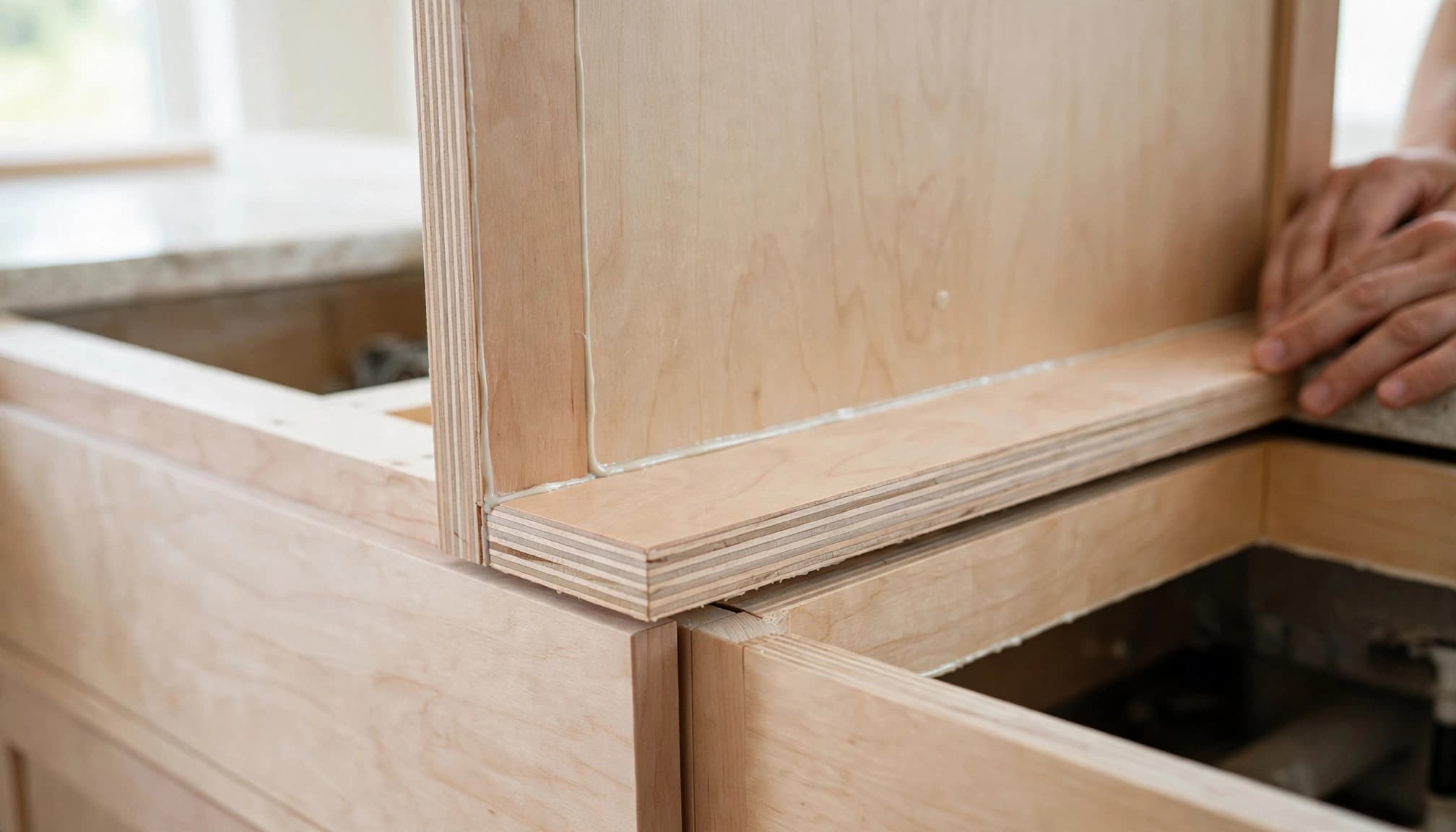
Sealed edges around sinks, dishwashers, and bathroom vanities are especially important. Shop-finished doors arrive with a controlled finish, while site-painted surfaces need curing time and careful protection during installation. Dr. Cabinet commonly completes refacing projects in a few days, depending on kitchen size and repair needs.
Questions to Ask Before You Order Materials
Ask direct questions before approving a quote:
- What core material sits beneath the finished surface?
- Is the finish factory-applied or completed on site?
- How will exposed edges be sealed near sinks and appliances?
- Can chips, scratches, or peeling be repaired without replacing a door?
- Which door profiles are available with this material?
- Does the estimate include doors, drawer fronts, hardware, preparation, delivery, and labor?
- What warranty covers the material and the installation?
Request samples and view them in your home's lighting. A white finish can look cool beside north-facing windows and warmer beneath kitchen lighting.
Choose Materials That Fit the Space
The best cabinet refacing materials fit the cabinet condition, moisture level, daily wear, desired appearance, maintenance needs, and full installed cost. A bargain finish becomes expensive if it fails around a sink or cannot handle a busy household.
Ask to see physical samples, confirm the substrate, and get the finish details in writing. For a consultation or estimate, contact Dr. Cabinet at 201-212-5477 or infodrcabinet@gmail.com.
Conclusion
The strongest choice balances appearance with practical performance. Veneer brings natural grain, laminate offers easy care, RTF suits lower-cost smooth doors, solid wood supports premium detail, and painted finishes create flexible color options.
A well-chosen finish starts with sound cabinet boxes and honest expectations for the space. Contact Dr. Cabinet at 201-212-5477 or infodrcabinet@gmail.com for help selecting a material and receiving a project estimate.


Comments
Post a Comment